
Dehydration Iv Drip Therapy For Fast Recovery
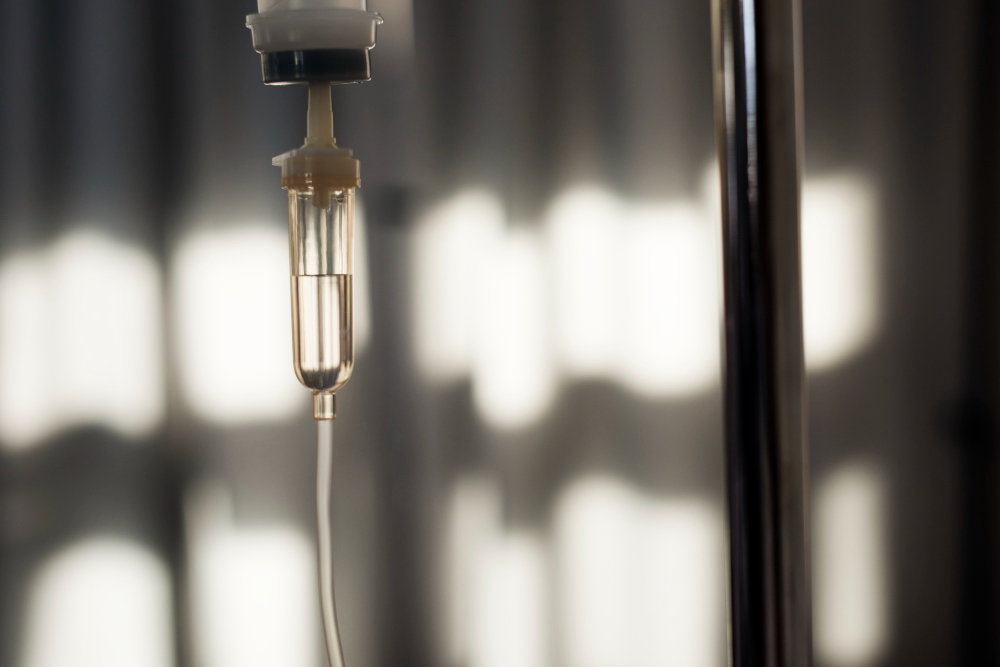
Dehydration can quickly cause fatigue, dizziness, weakness, and serious health risks if fluids are not restored fast. IV drip for dehydration delivers fluids and electrolytes directly into the bloodstream for faster recovery than drinking water alone. Early IV hydration helps restore fluid balance, improve energy, and prevent complications safely. Read on to know how IV drip at home works, when it is needed, and how it supports quick recovery. What is Dehydration and Why It Needs Fast Treatment Dehydration happens when the body loses more fluids than it receives. Water is essential for circulation, temperature control, oxygen delivery, and organ function. When fluid levels drop, the blood volume decreases, and organs cannot work properly. This affects energy, brain function, and physical stability. Dehydration treatment becomes necessary to restore fluid balance and prevent further complications. What happens in the body during dehydration When dehydration begins, several internal changes occur that affect overall health. Blood volume decreases, reducing oxygen and nutrient delivery• Electrolyte levels such as sodium and potassium become unbalanced• Heart works harder to pump reduced blood volume• Body temperature becomes difficult to regulate• Brain function slows, causing fatigue and confusion These effects make early dehydration treatment essential to protect the body and restore normal function. Common causes of dehydration Dehydration can develop due to multiple reasons, especially in hot environments like the UAE. Excessive sweating due to heat exposure Fever causing increased fluid loss Vomiting that removes fluids quickly Diarrhea leading to severe water loss Poor fluid intake during illness or busy schedules Adults are especially at risk when fluid intake does not match fluid loss. Rehydrate your body quickly with professional IV drip therapy. Dehydration Symptoms You Should Not Ignore Dehydration symptoms vary depending on severity, but early signs often appear before serious complications develop. Recognizing dehydration symptoms early helps ensure timely dehydration treatment and faster recovery. Extreme thirst and dry mouth• Fatigue and reduced physical strength• Dizziness or lightheaded feeling• Headache and poor concentration• Dark yellow urine or reduced urination• Rapid heartbeat• Muscle weakness• Low blood pressure Severe dehydration symptoms may include confusion, fainting, and inability to stand. These signs require immediate medical attention and IV treatment for dehydration. How IV Drip for Dehydration Helps Restore the Body Quickly IV drip for dehydration is one of the most effective dehydration treatment methods because it delivers fluids directly into the bloodstream. This allows faster absorption and immediate hydration compared to oral fluids. How IV fluids work IV fluids enter the body through a small medical tube called an IV cannula inserted into a vein. The IV solution flows directly into the bloodstream, restoring fluid levels and electrolyte balance quickly. This improves circulation, supports organ function, and relieves dehydration symptoms faster. IV fluids for dehydration in adults help restore: Blood volume• Electrolyte balance• Energy levels• Cellular function This process helps the body recover faster and safely. Types of IV solution for dehydration Different IV solutions are used depending on dehydration severity and medical condition. Normal saline IV solution restores basic fluid balance Ringer lactate solution replaces electrolytes and fluids Dextrose IV fluids provide energy and hydration Electrolyte IV fluids restore sodium and potassium levels These IV bags for dehydration are selected based on individual hydration needs. Why IV Drip at Home is More Effective Than Oral Fluids Oral hydration is helpful in mild dehydration, but it may not be effective in moderate or severe dehydration cases. Drinking water depends on digestive absorption, which takes time. In some cases, vomiting or illness prevents proper fluid intake. IV drip at home provides faster and more reliable hydration because fluids enter directly into the bloodstream. This bypasses digestion and provides immediate results. Home IV hydration Dubai services allow patients to receive professional treatment safely without visiting a clinic. IV drip at home provides important advantages: Faster hydration compared to oral fluids• Immediate electrolyte replacement• Higher absorption efficiency• Faster symptom relief• Improved comfort with home treatment This makes IV therapy at home UAE an effective dehydration treatment solution. To learn more about treatment options and benefits, read our guide on IV Drips in Dubai: Benefits, Types, Costs & At-Home IV Therapy for detailed insights When Do You Need IV Treatment for Dehydration IV treatment for dehydration is recommended when oral fluids cannot restore proper hydration levels. Certain symptoms and medical conditions require professional IV hydration therapy. Severe dehydration symptoms such as dizziness and weakness Vomiting that prevents drinking fluids Heat exhaustion and excessive sweating Recovery after illness or infection Elderly patients with reduced fluid intake IV drip for dehydration provides safe and rapid fluid replacement in these situations. What Happens During IV Drip at Home Treatment IV drip at home is performed by licensed healthcare professionals using sterile medical equipment. The process is safe, comfortable, and effective for dehydration treatment. Step by step procedure Healthcare professional checks hydration level and vital signs Sterile IV cannula is inserted into a vein IV solution for dehydration is connected and administered slowly Patient is monitored during the IV infusion process IV cannula is removed after fluid administration is complete The procedure usually takes 30 to 60 minutes and provides fast hydration benefits. Benefits of IV Fluids for Dehydration in Adults IV fluids provide several important health benefits for dehydration recovery. These benefits help restore body balance and improve overall health. Rapid hydration and fluid restoration• Immediate relief from dehydration symptoms• Improved energy and physical strength• Balanced electrolyte levels• Faster recovery from illness or heat exposure IV treatment for dehydration is widely used for safe and effective hydration recovery. IV Drip at Home Cost in Dubai and UAE IV drip at home cost Dubai varies depending on IV solution type, provider expertise, and treatment complexity. Home IV therapy provides convenient dehydration treatment without hospital visits. Service Cost Basic IV hydration therapy AED 250 to AED 500 Electrolyte IV therapy AED 400 to AED 800 Advanced IV hydration therapy AED 600 to AED 1200 Factors affecting IV drip at home cost include: Type of IV fluids used• Healthcare professional experience• Home visit service charges• Treatment