When couples struggle to conceive, the focus often turns to female fertility. However, male factors contribute to nearly half of all infertility cases, making a thorough evaluation of sperm health just as important. While a standard semen analysis provides valuable information about sperm count, movement, and shape, it does not reveal whether the sperm’s genetic material is healthy enough to support successful fertilization and embryo development.
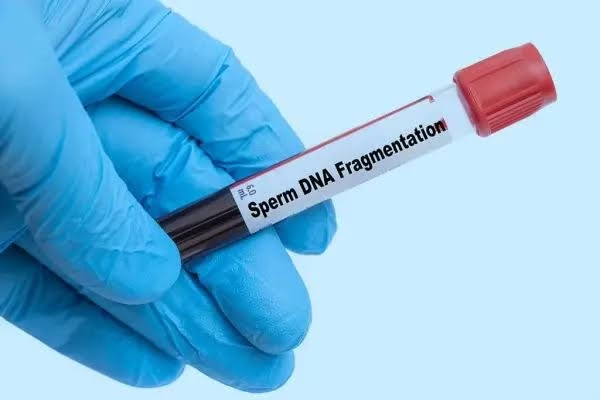
This is where the Sperm DNA Fragmentation Test plays a vital role. The test measures the level of DNA damage within sperm cells, offering deeper insights into male fertility that cannot be detected through routine semen analysis alone. It is particularly useful for couples facing unexplained infertility, repeated miscarriages, or unsuccessful IVF cycles.
If you are planning to start a family or have experienced fertility challenges, the specialists at Health 24/7 can help you determine whether a Sperm DNA Fragmentation Test is right for you and guide you toward the most appropriate fertility evaluation.
What Is a Sperm DNA Fragmentation Test?
A Sperm DNA Fragmentation Test is an advanced laboratory test that evaluates the integrity of the genetic material carried by sperm. Every sperm cell contains DNA that is responsible for passing genetic information to the embryo. When this DNA becomes damaged or fragmented, the sperm may still appear normal under a microscope but may have a reduced ability to achieve a healthy pregnancy.
Unlike a routine semen analysis, which focuses on the physical characteristics of sperm, DNA fragmentation testing looks deeper into the quality of the genetic material itself.
Understanding DNA Damage in Sperm
DNA fragmentation refers to breaks or damage within the DNA strands inside sperm cells. Small amounts of DNA damage can occur naturally and may be repaired by the egg after fertilization. However, when the level of fragmentation is high, it can interfere with fertilization, embryo development, implantation, and the chances of carrying a pregnancy to term.
Several factors can contribute to sperm DNA damage, including:
- Age
- Smoking and tobacco use
- Excessive alcohol consumption
- Obesity
- Chronic stress
- Exposure to environmental toxins
- High fever or infections
- Varicocele (enlarged veins in the scrotum)
- Poor lifestyle habits
Because many of these factors are preventable or manageable, identifying DNA fragmentation early can help improve fertility outcomes.
Why Does It Affect Fertility?
Healthy sperm DNA is essential for successful conception and normal embryo development.
When DNA fragmentation is elevated, couples may experience:
- Difficulty conceiving naturally
- Poor fertilization during IVF or ICSI
- Slow embryo development
- Recurrent implantation failure
- Repeated miscarriages
- Lower pregnancy success rates
Even if a semen analysis appears normal, high DNA fragmentation can still reduce fertility potential. This is why many fertility specialists recommend this advanced test when routine investigations fail to explain infertility.
Who Should Consider This Test?
A Sperm DNA Fragmentation Test may be recommended for men who:
- Have unexplained infertility
- Have experienced repeated IVF or ICSI failure
- Have had recurrent pregnancy loss with their partner
- Show normal semen analysis results despite infertility
- Are over the age of 35 or 40
- Have known varicocele
- Smoke regularly
- Have diabetes or chronic medical conditions
- Have been exposed to heat, chemicals, or radiation in the workplace
It can also be valuable for couples who want a more comprehensive fertility assessment before beginning assisted reproductive treatment.
Why Is a Sperm DNA Fragmentation Test Important?
Male fertility is about much more than sperm count. Even when sperm concentration and motility appear healthy, damaged DNA can significantly affect the ability to achieve and maintain a successful pregnancy.
Male Infertility
Male infertility affects millions of couples worldwide. While conventional semen analysis identifies many common sperm abnormalities, it cannot assess genetic quality.
DNA fragmentation testing fills this important gap by identifying hidden sperm damage that may otherwise go unnoticed.
Repeated IVF Failure
Some couples undergo multiple IVF or ICSI cycles without success despite producing good-quality embryos.
One possible explanation is high sperm DNA fragmentation. Research has shown that elevated DNA damage may reduce implantation rates and increase the likelihood of failed fertility treatments.
Identifying this issue allows fertility specialists to adjust treatment strategies or recommend interventions that may improve outcomes.
Recurrent Miscarriages
Pregnancy loss can be emotionally devastating, especially when it happens repeatedly without an obvious cause.
Emerging evidence suggests that elevated sperm DNA fragmentation may increase the risk of recurrent miscarriage by affecting embryo development during the earliest stages of pregnancy.
Although female factors are often investigated first, assessing male genetic quality can provide valuable additional information.
Infertility Despite Normal Semen Analysis
A normal semen analysis does not always mean fertility is normal.
Traditional semen analysis evaluates:
- Sperm count
- Sperm motility
- Sperm morphology
- Semen volume
However, it cannot determine whether the DNA inside the sperm is intact.
For couples with unexplained infertility, DNA fragmentation testing often provides answers when routine fertility investigations appear normal.
How Is a Sperm DNA Fragmentation Test Done?
The procedure is straightforward and similar to providing a semen sample for routine fertility testing.
Sample Collection
A semen sample is collected through masturbation into a sterile laboratory container.
Patients are usually advised to maintain 2 to 5 days of sexual abstinence before sample collection to ensure accurate results.
Many fertility centres request that samples be produced onsite, although some laboratories may allow home collection if strict transport guidelines are followed.
If you’re preparing for semen testing, our guide on common semen analysis preparation mistakes can help you avoid errors that may affect your results:
Laboratory Testing Methods
After collection, the sample is processed using specialised laboratory techniques.
Common testing methods include:
Halo Test (Sperm Chromatin Dispersion Test)
This method measures the integrity of sperm DNA by examining the halo that forms around sperm cells after laboratory processing. It is widely used because it is reliable and relatively simple.
TUNEL Assay
The TUNEL method directly identifies fragmented DNA by labeling damaged DNA strands. It is considered one of the most accurate laboratory techniques for assessing DNA fragmentation.
SCSA (Sperm Chromatin Structure Assay)
SCSA uses advanced flow cytometry to evaluate sperm chromatin integrity and calculate the DNA Fragmentation Index (DFI). It provides highly reproducible results and is commonly used in fertility research and specialised laboratories.
Although the testing methods differ, all aim to determine the percentage of sperm carrying damaged DNA.
How Long Does It Take?
Sample collection usually takes only a few minutes.
Depending on the laboratory and testing method used, results are generally available within several days to one week. Your fertility specialist will review the findings and explain how they may affect your treatment options.
Can the Test Be Done at Home?
Some fertility providers offer at-home sperm DNA fragmentation testing kits, allowing patients to collect a semen sample privately and send it to an accredited laboratory for analysis.
However, availability varies by country and healthcare provider. If you’re considering home fertility testing, it’s important to choose a reputable laboratory that follows strict quality standards.
You can also learn more about at-home sperm fertility testing, the process, and expected costs.
Sperm DNA Fragmentation Test vs. Semen Analysis
Although both tests evaluate male fertility, they measure completely different aspects of sperm health.
A semen analysis assesses the physical characteristics of sperm, including:
- Sperm count
- Motility (movement)
- Morphology (shape)
- Semen volume
- pH and viscosity
These results help determine whether enough healthy sperm are present for fertilization.
A Sperm DNA Fragmentation Test, on the other hand, evaluates the quality of the sperm’s genetic material. It measures whether the DNA inside the sperm cells is intact or damaged, something that cannot be seen during routine semen analysis.
Because of this, the two tests complement rather than replace each other. Many fertility specialists recommend both investigations, particularly when couples have unexplained infertility, repeated IVF failure, or recurrent pregnancy loss.
In the next section, we’ll look at the normal range for sperm DNA fragmentation, what the results mean, and how they influence fertility treatment decisions.
Normal Range of Sperm DNA Fragmentation Test
The results of a Sperm DNA Fragmentation Test are typically reported as the DNA Fragmentation Index (DFI), which indicates the percentage of sperm with damaged DNA. A lower percentage generally reflects healthier sperm and a better chance of achieving a successful pregnancy.
Although the exact reference ranges may vary slightly between laboratories and testing methods, the following guide is commonly used:
DNA Fragmentation Index (DFI) | Interpretation | Fertility Impact |
Less than 15% | Low fragmentation | Generally associated with good fertility potential |
15%–30% | Moderate fragmentation | May reduce fertility and pregnancy success in some couples |
Above 30% | High fragmentation | Increased risk of infertility, IVF failure, and miscarriage |
These results should always be interpreted alongside your medical history, semen analysis, and your partner’s fertility evaluation. A fertility specialist can explain how your DFI score may affect your treatment plan.
Sperm DNA Fragmentation Test Price
The cost of a Sperm DNA Fragmentation Test varies depending on the laboratory, testing method, and whether it is performed as part of a comprehensive fertility assessment.
In the UAE, the test typically costs between AED 1,200 and AED 2,000, while prices in other countries may range from USD 300 to USD 600. Some fertility clinics may also offer package pricing when the test is combined with a semen analysis or a complete male fertility evaluation.
When comparing costs, it’s important to consider more than just the price. Look for a fertility centre that provides:
- Accredited laboratory services
- Advanced DNA fragmentation testing methods
- Expert interpretation of results
- Fertility specialist consultation
- Personalized treatment recommendations
Although the test may cost more than a routine semen analysis, it can provide valuable information that helps identify hidden causes of male infertility and supports more targeted treatment decisions.
Sperm DNA Fragmentation Test Near Me
If you’re searching online for a “Sperm DNA Fragmentation Test near me,” choose a fertility centre that combines advanced laboratory technology with experienced fertility specialists.
When selecting a clinic, consider whether it offers:
- Accredited diagnostic laboratories
- Experienced andrology and fertility specialists
- Comprehensive male fertility testing
- Personalized consultation after the test
- Modern laboratory equipment and quality assurance
Choosing a trusted fertility centre ensures accurate results and expert guidance throughout your fertility journey.
Sperm DNA Fragmentation Test Results Explained
Receiving your test results is only the first step. Understanding what they mean can help you and your healthcare provider decide on the most appropriate treatment.
What Does High DNA Fragmentation Mean?
A high DNA Fragmentation Index means that a larger percentage of sperm carry damaged genetic material.
This may be associated with:
- Lower natural conception rates
- Reduced IVF or ICSI success
- Poor embryo development
- Increased risk of recurrent miscarriage
- Lower pregnancy rates
High DNA fragmentation does not necessarily mean pregnancy is impossible. Many men achieve successful pregnancies after addressing the underlying causes or receiving appropriate fertility treatment.
What Does Low DNA Fragmentation Mean?
Low DNA fragmentation indicates that most sperm contain healthy genetic material.
This is generally associated with:
- Better fertilization potential
- Improved embryo quality
- Higher pregnancy success rates
- Lower miscarriage risk
Even with normal DNA fragmentation, other male and female fertility factors should still be evaluated.
What Happens After the Results?
Depending on your results, your fertility specialist may recommend:
- Lifestyle modifications
- Further diagnostic testing
- Medical treatment for underlying conditions
- Repeat testing after treatment
- Assisted reproductive techniques such as IVF or ICSI
The goal is to identify the cause of DNA damage and develop a treatment plan that improves your chances of conception.
When Should You Do This Test?
A Sperm DNA Fragmentation Test may be recommended if you have:
- Unexplained infertility
- Repeated IVF or ICSI failure
- Recurrent pregnancy loss
- A normal semen analysis despite infertility
- Varicocele
- A history of smoking
- Diabetes or chronic illness
- Long-term exposure to heat or environmental toxins
- Age above 35 years
- Significant physical or emotional stress
Early testing can provide answers that may not be identified through routine fertility investigations.
Can Sperm DNA Fragmentation Be Fixed?
In many cases, elevated DNA fragmentation can be improved by addressing its underlying causes.
Lifestyle Changes
Simple lifestyle improvements can support healthier sperm production, including:
- Quitting smoking
- Limiting alcohol consumption
- Maintaining a healthy weight
- Exercising regularly
- Managing stress
- Getting adequate sleep
- Avoiding prolonged exposure to excessive heat
Nutritional Support
Certain antioxidants, vitamins, and minerals may help improve sperm health. Always consult your healthcare provider before starting supplements, as recommendations vary from person to person.
Medical Treatment
Conditions such as varicocele, infections, or hormonal imbalances can contribute to DNA fragmentation. Treating these conditions may improve sperm quality over time.
Assisted Reproductive Techniques
When natural conception remains difficult, fertility specialists may recommend IVF or ICSI. These treatments can improve the chances of pregnancy depending on the couple’s overall fertility profile.
Sperm DNA Fragmentation Test CPT Code (Medical Billing Information)
The Current Procedural Terminology (CPT) system is widely used in countries such as the United States for insurance and medical billing.
Because different laboratories use different testing techniques, there is no single universal CPT code for every Sperm DNA Fragmentation Test. The code used may vary depending on the testing method and healthcare provider.
If you require the test for insurance reimbursement or international treatment, check with both your laboratory and insurance provider before scheduling the test.
Take the Next Step Toward Better Fertility
While a semen analysis provides important information about sperm count, movement, and shape, it cannot assess the quality of sperm DNA. For couples facing unexplained infertility, recurrent miscarriage, or repeated IVF failure, a Sperm DNA Fragmentation Test can provide valuable insights that help guide treatment decisions.
At Health 24/7, our fertility specialists offer comprehensive male fertility assessments using advanced diagnostic testing to identify potential causes of infertility. If you’re planning to start a family or have concerns about your reproductive health, contact Health 24/7 today to book a consultation and learn whether a Sperm DNA Fragmentation Test is right for you.
Frequently Asked Questions
What is the cost of a Sperm DNA Fragmentation Test?
In the UAE, the test generally costs between AED 1,200 and AED 2,000, although prices vary depending on the clinic and whether it is included in a fertility package.
Can I get pregnant if my husband has sperm DNA fragmentation?
Yes. Pregnancy is still possible, but higher DNA fragmentation may reduce fertility and increase the risk of miscarriage. Treatment and lifestyle changes may improve outcomes.
Is a Sperm DNA Fragmentation Test worth it?
Yes, particularly for couples with unexplained infertility, recurrent pregnancy loss, or repeated IVF failure, as it provides information that routine semen analysis cannot.
How can sperm DNA fragmentation be improved?
Improvement may be possible through healthy lifestyle changes, treatment of underlying medical conditions, appropriate supplements under medical supervision, and fertility treatments when required.
How long does the test take?
Collecting the semen sample takes only a few minutes, and most laboratories provide results within 3 to 7 days, depending on the testing method and laboratory.