
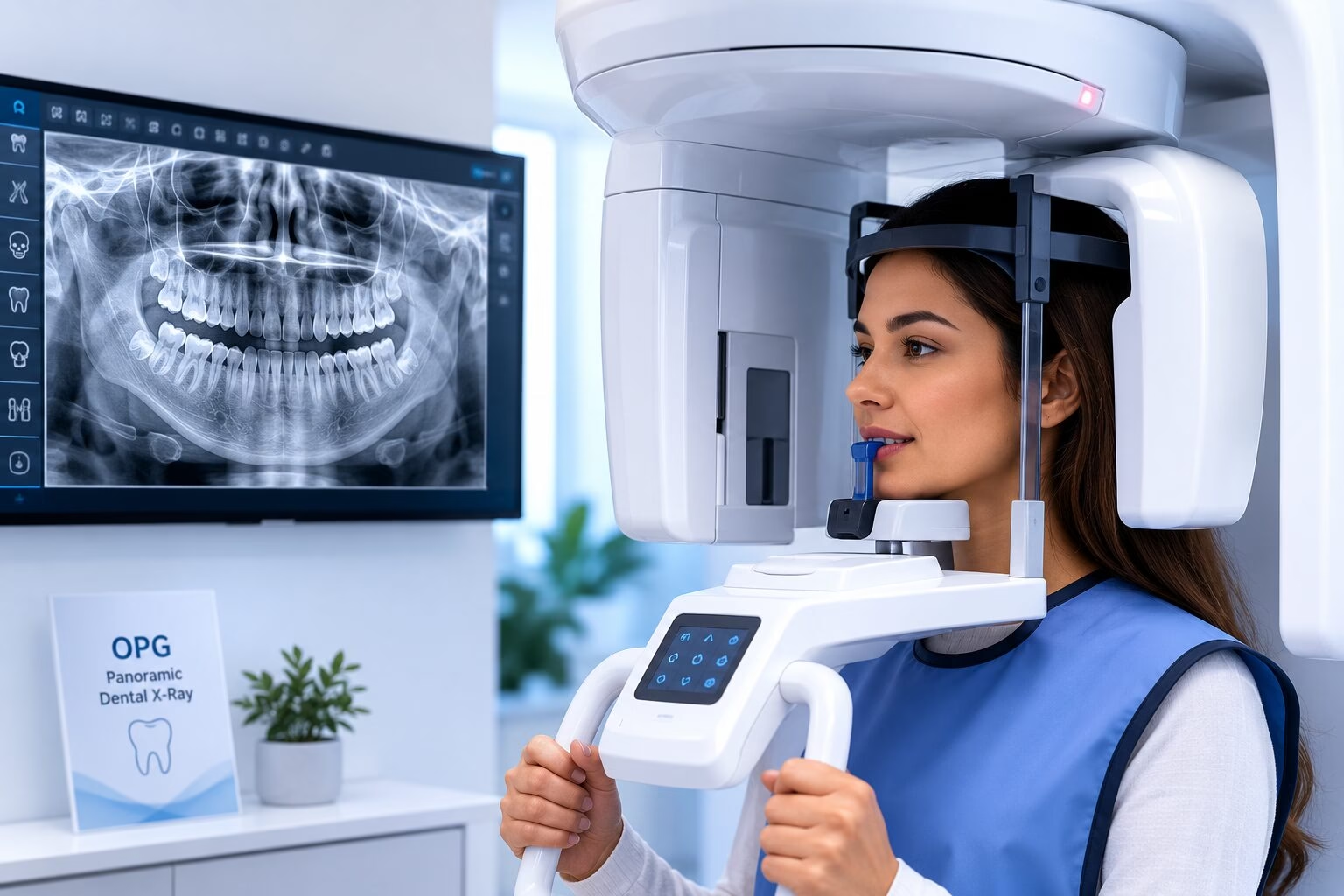
OPG Scan: Uses, Cost, Procedure, Preparation & Results (Complete Guide)
A clear picture of your teeth and jaw can make a big difference when planning dental treatment. While small dental X-rays are useful for examining individual teeth, sometimes your dentist needs a broader view of the entire mouth and jaw. This is where an OPG scan, also known as a panoramic dental X-ray, can be useful. An OPG creates a single panoramic image of the upper and lower teeth, jawbones, and surrounding structures. It is commonly used when assessing wisdom teeth, planning orthodontic treatment, evaluating dental implants, or investigating certain jaw and dental problems. At Health 24/7, we provide digital OPG (Panoramic Dental X-Ray) services to support accurate dental assessment and treatment planning. In this guide, we’ll explain what an OPG scan is, why it may be recommended, how the procedure works, its approximate cost in Dubai, preparation requirements, safety considerations, and how to understand the results. Book Your OPG Scan at Health 24/7 Today What Is an OPG Scan? OPG stands for Orthopantomogram. It is a type of panoramic dental X-ray that produces a broad, two-dimensional image of the mouth and jaw in a single examination. Unlike an intraoral dental X-ray, which focuses on a small area, an OPG provides a wider view that can include: Upper and lower teeth Tooth roots Upper and lower jawbones Wisdom teeth Temporomandibular joint areas Parts of the nasal region and maxillary sinuses The panoramic image allows dentists to assess the overall arrangement of the teeth and jaw and identify areas that may require closer examination. An OPG does use X-rays, so it should be performed when the information is clinically useful for diagnosis or treatment planning. Dental radiography guidelines recommend that the type and frequency of X-rays be selected according to the patient’s clinical situation rather than using the same imaging schedule for everyone. How Does an OPG Scan Work? An OPG machine is designed to rotate around the patient’s head while capturing multiple X-ray images. A computer then combines the information into one panoramic image. During the examination: You stand or sit in front of the OPG machine. The radiographer positions your head carefully. You may be asked to bite gently on a positioning device. Your head is kept still while the machine rotates around it. The digital detector captures the required images. The images are processed and reviewed. The actual image capture usually takes only a few seconds. The complete appointment is generally short, making OPG one of the more convenient forms of dental imaging. Remaining still and following the radiographer’s instructions are important because movement can affect image quality. What Does an OPG Scan Show? An OPG provides a broad overview of the teeth and jaw, making it useful for identifying several dental and maxillofacial findings. Teeth and Tooth Roots An OPG can show the general position of the teeth and their roots. It may help identify missing, impacted, displaced, or developing teeth and can contribute to treatment planning. However, because an OPG provides a panoramic overview rather than close-up images, your dentist may recommend additional intraoral X-rays when a more detailed view of a particular tooth is needed. When teeth are damaged, discoloured, or cosmetically imperfect, dental veneers can be one option for improving their appearance. Learn more about the different types, costs, and suitable options in Dental Veneers: Types, Cost & Best Options. Jawbones The scan provides an overview of the upper and lower jawbones and can help identify certain bone abnormalities, areas of bone loss, fractures, or other findings that require further evaluation. Wisdom Teeth Wisdom teeth are one of the common reasons an OPG may be requested. The panoramic image can help the dentist assess: Whether wisdom teeth are present Their general position Whether they appear impacted Their relationship with neighbouring teeth Their stage of development This information can help the dentist determine whether monitoring, further imaging, or extraction planning may be appropriate. Temporomandibular Joint Areas An OPG may provide a broad view of the areas around the temporomandibular joints (TMJs). However, if a patient has significant jaw-joint symptoms, additional imaging may be recommended depending on the suspected condition. Maxillary Sinuses Parts of the maxillary sinuses may appear on a panoramic dental X-ray. This can provide useful information in selected dental assessments, particularly when upper teeth and the surrounding structures are being evaluated. An OPG is not a substitute for dedicated sinus imaging when a detailed evaluation of the sinuses is required. Why Is an OPG Scan Recommended? An OPG can be recommended for several dental and orthodontic reasons. The decision depends on your symptoms, dental examination, medical history, and treatment plan. Common situations include: Assessment of wisdom teeth Dental implant planning Orthodontic assessment Evaluation of impacted teeth Jaw and facial trauma Assessment of certain dental infections Evaluation of jaw abnormalities Pre-treatment dental assessment Monitoring selected dental conditions Dental radiographs can provide information that cannot be obtained through a physical examination alone. However, dentists are advised to request X-rays when the expected diagnostic information is likely to affect patient care. OPG Scan for Dental Implants Before placing a dental implant, your dentist needs to understand the condition and anatomy of the area where the implant may be placed. An OPG can provide an initial panoramic overview of: Missing teeth Adjacent teeth General jawbone structure Approximate anatomical relationships Areas requiring further investigation However, an OPG produces a two-dimensional image. If detailed three-dimensional information is needed for implant planning, your dentist may recommend CBCT imaging. OPG Scan for Wisdom Teeth Wisdom teeth can sometimes become impacted because there is insufficient space for them to erupt normally. An OPG can give the dentist a broad view of all four wisdom teeth and their position within the jaw. It can help assess: Whether the wisdom teeth have developed Their angle and position Their relationship with nearby teeth Whether they appear impacted Whether further imaging may be necessary If a wisdom tooth is positioned close to important anatomical structures, your dentist may recommend more detailed imaging before extraction. OPG Scan for