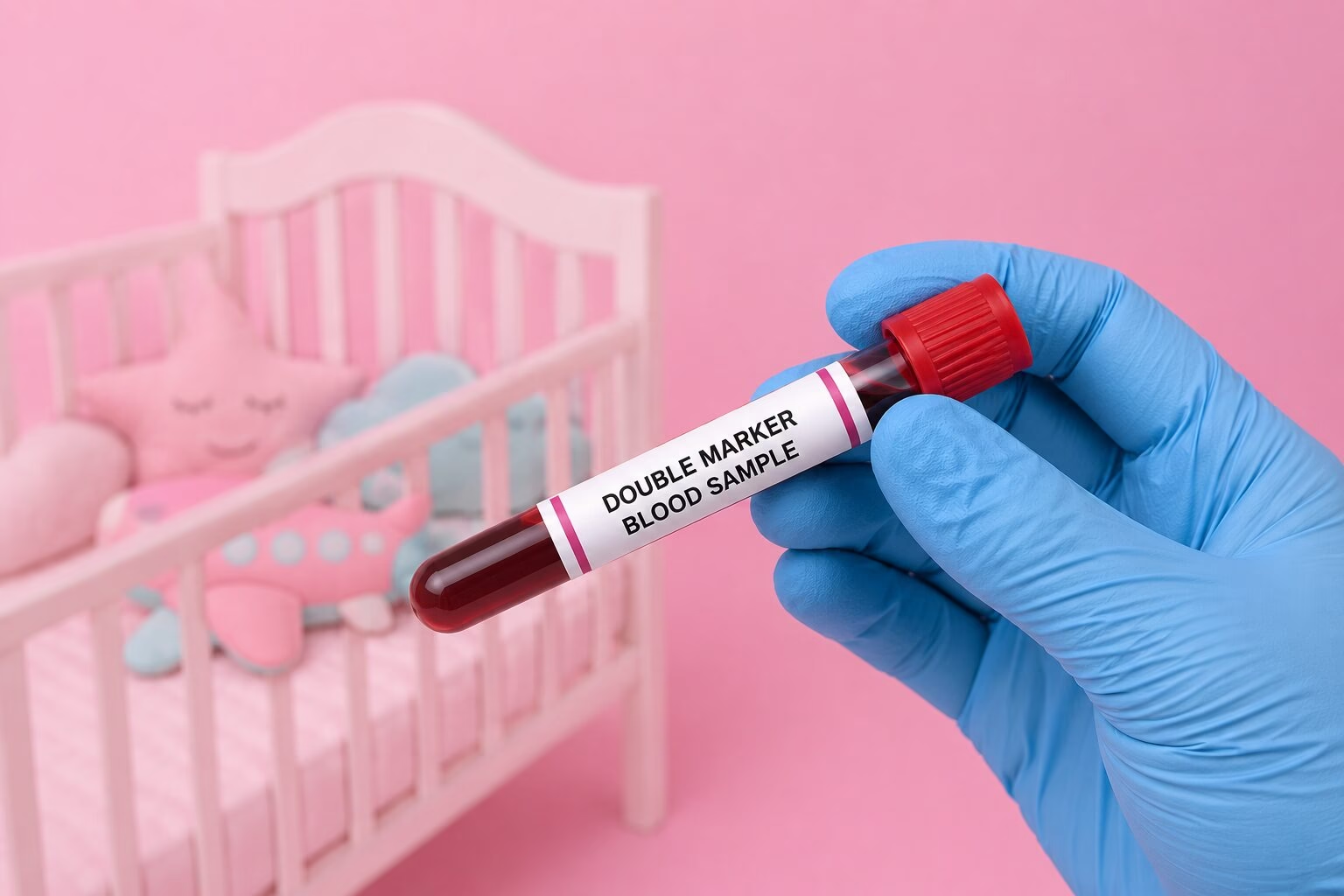
Double marker test in pregnancy is a first trimester prenatal screening blood test used to assess the risk of certain chromosomal conditions in the baby. It is usually performed between 11 and 14 weeks of pregnancy and screens for conditions like Down syndrome and Edwards syndrome. The test is safe, non invasive, and performed using a simple maternal blood sample. Let’s find out how the test works, what results mean, and when doctors recommend it.
What Is a Double Marker Test During Pregnancy?
A double marker test is a first trimester prenatal blood screening test performed during pregnancy to assess the risk of chromosomal abnormalities in the baby, including Down syndrome and Trisomy 18. The test measures two important pregnancy related markers in the mother’s blood and helps doctors evaluate fetal health risk early.
How the blood test evaluates pregnancy related markers
The double marker blood test measures Pregnancy-associated plasma protein A and free beta Human chorionic gonadotropin levels in the mother’s blood. These pregnancy related markers are analyzed with maternal age and scan findings to estimate fetal chromosomal risk during prenatal screening.
Difference between screening and diagnostic pregnancy tests
Double marker screening estimates the chance of chromosomal abnormalities but does not confirm disease presence. Diagnostic tests like CVS or amniocentesis provide confirmation. Screening tests are safer and commonly used first during routine prenatal care and fetal health assessment.
Pregnancy Conditions Assessed by Double Marker Screening
The double marker test helps assess the possibility of certain chromosomal and genetic abnormalities during early pregnancy. It does not confirm a disorder but identifies whether the pregnancy falls under a higher or lower risk category for further evaluation.
Down Syndrome (Trisomy 21)
Down syndrome occurs when the baby has an extra copy of chromosome 21. It may affect physical growth, facial features, learning ability, and overall development. The double marker test helps estimate the likelihood of this condition during the first trimester.
Edwards Syndrome (Trisomy 18)
Edwards syndrome is caused by an extra chromosome 18. It is a serious chromosomal disorder associated with growth restriction, organ abnormalities, and developmental complications. Many affected pregnancies may have severe health outcomes.
Patau Syndrome (Trisomy 13)
Patau syndrome develops due to an additional chromosome 13 and is linked to severe neurological, heart, and structural abnormalities. Although less common, it is considered a major chromosomal condition screened through early prenatal risk assessment.
Neural Tube Defect Risk Indicators
While neural tube defects are primarily assessed through other prenatal tests, abnormal marker patterns in some pregnancies may indicate the need for additional screening related to fetal brain and spinal cord development.
Chromosomal Abnormality Risk Assessment
The double marker test also contributes to an overall assessment of possible chromosomal abnormalities when combined with maternal age, ultrasound findings, and NT scan measurements.
Placental Function Related Concerns
Abnormal blood marker levels may sometimes suggest placental development issues or pregnancy complications, prompting doctors to recommend closer prenatal monitoring.
When Doctors Recommend the Double Marker Test
Doctors usually recommend the double marker test during early pregnancy when screening for chromosomal conditions becomes important based on maternal age, ultrasound findings, pregnancy history, or other prenatal risk factors.
Ideal pregnancy weeks for accurate screening
The best time for double marker test in pregnancy is between 11 and 14 weeks. Performing the test within this period improves accuracy when combined with an early pregnancy ultrasound or NT scan.
Pregnancies considered higher risk for chromosomal conditions
Doctors may strongly recommend this prenatal screening for women above 35 years, IVF pregnancies, abnormal ultrasound findings, family history of genetic disorders, or previous pregnancies affected by chromosomal abnormalities.
Tests commonly combined with double marker screening
NT scan: Measures fluid behind the baby’s neck during first trimester screening for improved chromosomal risk assessment.
First trimester ultrasound: Evaluates fetal growth, heartbeat, and pregnancy development along with blood marker analysis.
NIPT test: Advanced prenatal blood screening test with higher accuracy for chromosomal abnormalities.
Routine pregnancy blood tests: Helps assess maternal health alongside fetal screening evaluation.
Procedure and Preparation Before the Test
Double marker test procedure is simple, safe, and completed through a maternal blood sample. Proper timing and accurate clinical details help improve screening quality and result interpretation during pregnancy.
Blood sample collection: A healthcare professional collects a small blood sample from the mother’s vein for laboratory analysis of pregnancy related screening markers.
Fasting requirements: Is fasting required for double marker test? In most cases, fasting is not necessary before the blood test.
Test duration: How long does double marker test take? Blood collection usually takes only a few minutes in the diagnostic center.
Pain and comfort: Is double marker test painful? The procedure causes only mild needle discomfort similar to routine blood testing procedures.
Medicine and supplement information: Inform your doctor about medicines, hormonal treatments, or supplements before testing because some medical factors may affect interpretation.
After sample collection: The laboratory analyzes blood marker values with maternal age and ultrasound findings before preparing the final screening report.
Double Marker Test Results and Normal Range
Double marker test results are usually categorized as low risk or high risk after evaluating blood marker levels, maternal age, and ultrasound findings. Doctors interpret the report using MoM values and combined risk calculations rather than a single number.
|
Marker |
Typical Assessment |
|
PAPP A |
Lower levels may increase chromosomal risk |
|
Free beta hCG |
Elevated or reduced levels assessed with other factors |
|
Result Factor |
What It May Indicate |
|
Low risk result |
Lower probability of major chromosomal abnormalities |
|
High risk result |
Increased possibility requiring additional evaluation |
|
MoM values |
Marker levels compared with expected pregnancy averages |
|
NT scan findings |
Helps improve screening accuracy with blood markers |
|
Maternal age |
Higher age may increase chromosomal abnormality risk |
|
False positive possibility |
Abnormal screening may occur even in healthy pregnancies |
Results estimate probability, not confirmed fetal diagnosis.
What Happens After an Abnormal Double Marker Test
A high risk double marker test result does not confirm that the baby has a chromosomal condition. Doctors may recommend additional evaluation such as Noninvasive prenatal testing, anomaly scan, CVS, or amniocentesis depending on pregnancy history and overall screening findings.
Pregnant women should avoid self interpreting reports without specialist consultation. Prenatal screening tests have limitations and may produce false positive results. Obstetricians evaluate blood markers, maternal age, NT scan findings, and medical history together before recommending the next diagnostic or monitoring step.
Making Confident Pregnancy Test Decisions
Double marker test during pregnancy helps doctors assess fetal chromosomal risk during the first trimester using safe prenatal screening methods. Early screening supports timely medical guidance, additional testing when necessary, and better pregnancy monitoring. Women should discuss reports with qualified specialists instead of depending only on online information. Proper interpretation, combined with ultrasound findings and medical history, helps families make informed and confident pregnancy care decisions.
Safe and Affordable Double Marker Test in Dubai
Health24/7 provides advanced double marker tests in Dubai by connecting patients with the nearest trusted diagnostic facility for convenient prenatal screening services. With a strong network of experienced diagnostic centers and 15+ years of expert radiologists, Health24/7 supports safe, accurate, and reliable pregnancy screening. The service also offers home sample collection across Dubai for added comfort and convenience. Patients benefit from affordable diagnostics, experienced medical professionals, accurate reporting, and smooth appointment coordination throughout the testing process.
FAQs
Which week is best for the double marker test during pregnancy?
The test is usually performed between 11 and 14 weeks of pregnancy for better screening accuracy and proper correlation with NT scan findings.
Is fasting needed before a double marker blood test?
Fasting is generally not required before a double marker test, but pregnant women should follow specific instructions provided by their healthcare provider.
Can a double marker test detect Down syndrome accurately?
The test estimates the risk of Down syndrome but does not provide confirmed diagnosis. Additional testing may be recommended for high risk results.
What does high risk mean in a double marker test report?
High risk means increased probability of chromosomal abnormalities, requiring further medical evaluation, additional screening, or diagnostic pregnancy testing for confirmation.
Is the double marker test safe for mother and baby?
Yes, the test is considered safe because it only requires a maternal blood sample and does not expose the baby to radiation.
What is the difference between NT scan and double marker test?
Nuchal translucency scan is an ultrasound examination, while double marker test analyzes maternal blood markers for combined prenatal screening assessment.
What happens if the double marker test result is abnormal?
Doctors may recommend further tests such as NIPT, anomaly scan, CVS, or amniocentesis to evaluate fetal chromosomal conditions more accurately.