At home pregnancy genetic testing offers a simple and private way to complete prenatal screening without visiting a clinic. Many expecting parents often question the accuracy, reliability, and safety of home collected NIPT screening before booking. The good news is that proper sample handling and accredited lab testing can provide highly reliable results. Let us explore how this process works and what affects test accuracy.
How At Home Pregnancy Genetic Testing Works
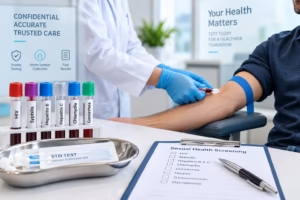
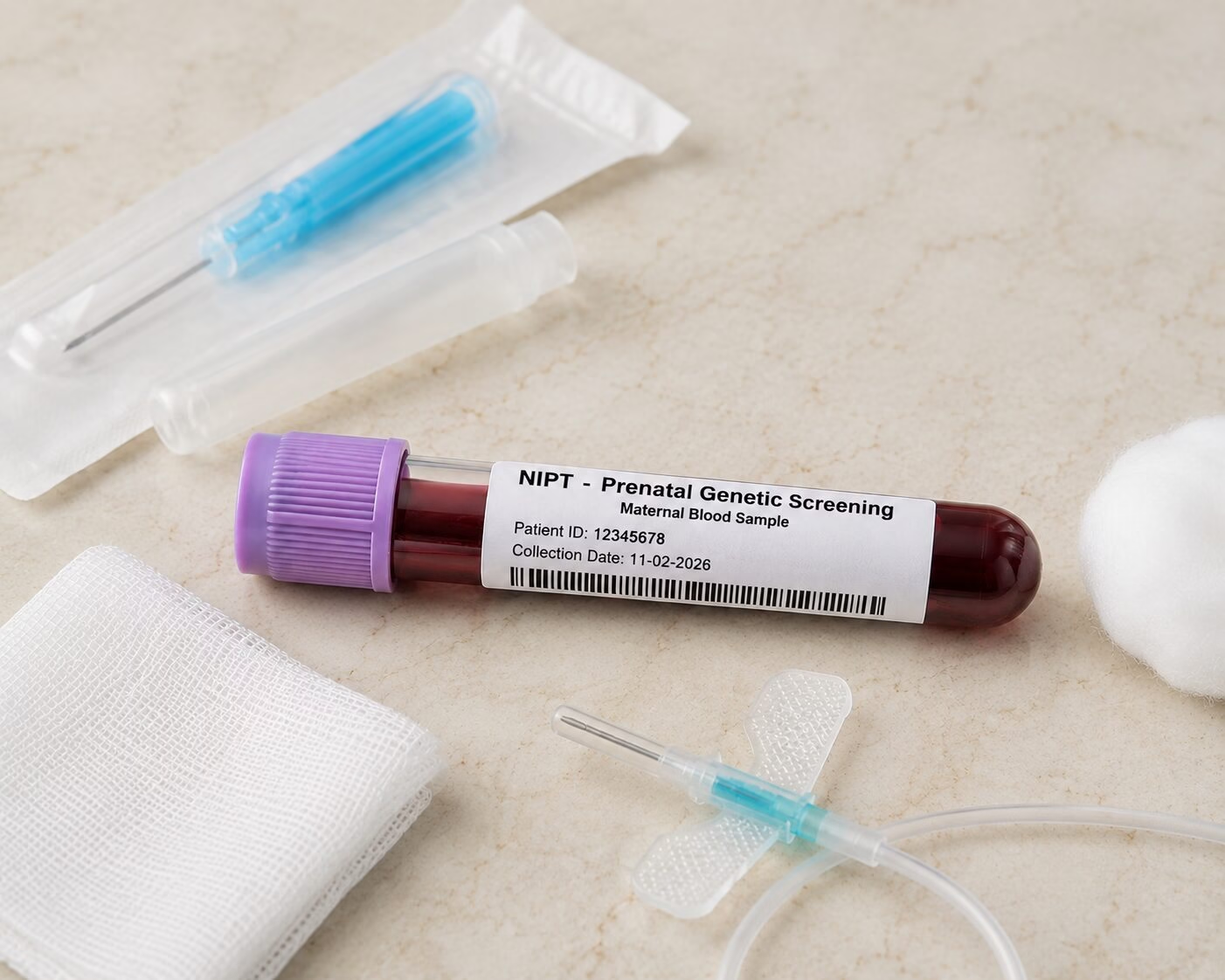
At home pregnancy genetic testing follows a carefully managed process from sample collection to report delivery. A trained healthcare professional visits your home, collects a maternal blood sample, and safely transfers it to an accredited laboratory for analysis. The lab examines cell free fetal DNA present in the mother’s blood to screen for possible chromosomal abnormalities. Reports are then reviewed and securely shared with patients, making the process convenient, private, and medically reliable.
Who Collects the Sample at Home
A trained phlebotomist or healthcare professional collects the blood sample at home using sterile medical protocols. The sample is packed safely and transported under controlled temperature conditions to accredited laboratories, where specialists process and analyze it using advanced prenatal genetic screening systems.
When Pregnancy Genetic Screening Is Usually Done
Most NIPT at home tests are performed from the 10th week of pregnancy onward. Testing during the recommended pregnancy period helps improve fetal DNA detection accuracy. Early prenatal genetic screening can also support faster medical guidance and pregnancy care planning if required.
What Influences the Accuracy of At Home Pregnancy Genetic Testing
The accuracy of at home pregnancy genetic testing depends mainly on laboratory quality, fetal DNA levels, proper sample handling, and pregnancy timing, rather than the home collection itself. Accredited laboratories, advanced genetic screening systems, and correct blood sample transportation all help produce highly reliable prenatal screening results.
Why Laboratory Standards Play a Major Role
Accredited laboratories use advanced sequencing systems and strict quality control protocols to analyze fetal DNA accurately. Experienced genetic specialists review the reports carefully before release. Reliable prenatal genetic testing depends heavily on laboratory expertise, secure sample handling, and modern diagnostic technology.
Situations That Can Affect Test Results
- Testing very early may reduce fetal DNA detection accuracy
• Twin pregnancies can sometimes affect result interpretation
• Low fetal DNA percentage may cause inconclusive reports
• Maternal obesity can influence fetal DNA concentration levels
• Rare biological factors may affect screening reliability
• Improper sample handling can impact testing quality
Conditions Commonly Screened Through Home Collected NIPT
Home collected NIPT screens for several chromosomal abnormalities using maternal blood samples. It is a screening test, not a final diagnostic confirmation test.
- Down Syndrome: Screens for Trisomy 21, a chromosomal condition linked to developmental and intellectual challenges in babies.
- Trisomy 18: Detects possible Edwards syndrome, which can affect organ development, growth, and pregnancy outcomes significantly.
- Trisomy 13: Screens for Patau syndrome, a rare chromosomal abnormality associated with severe birth complications and developmental conditions.
- Sex Chromosome Abnormalities: Evaluates possible abnormalities involving X and Y chromosomes that may affect growth and development.
- Fetal Gender Screening in Dubai: Some NIPT tests may identify fetal gender early during pregnancy through fetal DNA analysis.
Benefits of Choosing Home Sample Collection for Pregnancy Genetic Testing
- Private prenatal testing experience within the comfort of your home
• Reduces unnecessary clinic visits during pregnancy screening procedures
• Helpful for mothers with limited mobility or pregnancy discomfort
• Lower exposure to crowded healthcare environments and infections
• Flexible scheduling supports working mothers and busy families
• Certified professionals ensure safe and hygienic blood collection procedures
• Secure report handling protects patient privacy and medical information
Who Usually Prefers Home Collection Services
- Busy professionals needing flexible prenatal testing appointment schedules
• Mothers experiencing severe pregnancy nausea and travel discomfort
• High risk pregnancy patients avoiding unnecessary public exposure
• Women preferring private and comfortable healthcare experiences at home
• Patients with mobility difficulties during advanced stages of pregnancy
What to Check Before Booking At Home Pregnancy Genetic Testing
Before booking at home pregnancy genetic testing, check whether certified laboratories process the samples and whether DHA licensed phlebotomists handle home collection. Ask about doctor reviewed reports, hygiene standards, collection and transfer protocols, and secure sample transportation procedures. Reliable providers also follow strict medical safety guidelines and maintain patient privacy throughout the entire prenatal screening process.
Questions to Ask Before Booking
Is the laboratory accredited?
Accredited laboratories follow strict medical quality and genetic testing standards for accurate prenatal screening.
Who handles sample transportation?
Certified healthcare teams safely transport samples using temperature controlled medical transfer protocols.
How are inconclusive reports managed?
Most providers may recommend repeat testing or additional medical evaluation when required.
Is genetic counseling available if needed?
Some providers offer medical guidance and counseling support after report analysis and review.
How are reports delivered securely?
Reports are usually shared through secure digital systems or confidential medical communication channels.
Reliable Prenatal Screening Starts With Trusted Testing
At home pregnancy genetic testing can provide highly accurate prenatal screening when experienced professionals, certified laboratories, and proper sample handling protocols are involved. The convenience of home collection does not reduce the quality of genetic analysis when medical standards are followed correctly. Choosing reliable providers, testing at the recommended pregnancy stage, and reviewing reports with healthcare experts can help expecting parents feel more confident throughout the prenatal screening process.
Safe and Trusted At Home Pregnancy Genetic Testing in Dubai
Health24/7 provides advanced at home pregnancy genetic testing by offering access to trusted diagnostic facilities across Dubai. With experienced healthcare professionals, DHA licensed phlebotomists, and expert doctor reviewed reports, the service focuses on safe and accurate prenatal screening. Health24/7 supports convenient home sample collection, secure report handling, and reliable testing experiences for expecting mothers seeking professional and private pregnancy genetic screening services.
FAQs
Is at home pregnancy genetic testing as accurate as clinic testing?
Yes, at home pregnancy genetic testing can be highly accurate when accredited laboratories process the samples and trained professionals handle collection and transportation properly.
How is the blood sample collected for home pregnancy genetic testing?
A certified healthcare professional visits your home, collects a maternal blood sample safely, and sends it to a laboratory for prenatal genetic analysis.
Can NIPT be done safely at home during pregnancy?
Yes, NIPT at home is generally safe because only a simple blood sample is collected during the procedure.
How many weeks pregnant should you be for at home genetic testing?
Most NIPT at home tests are recommended after completing 10 weeks of pregnancy for better fetal DNA detection.
What conditions can at home prenatal genetic screening detect?
It commonly screens for Down syndrome, Trisomy 18, Trisomy 13, and certain sex chromosome abnormalities.
Can at home pregnancy genetic testing detect baby gender early?
Some NIPT tests may identify fetal gender early through fetal DNA analysis during pregnancy screening.