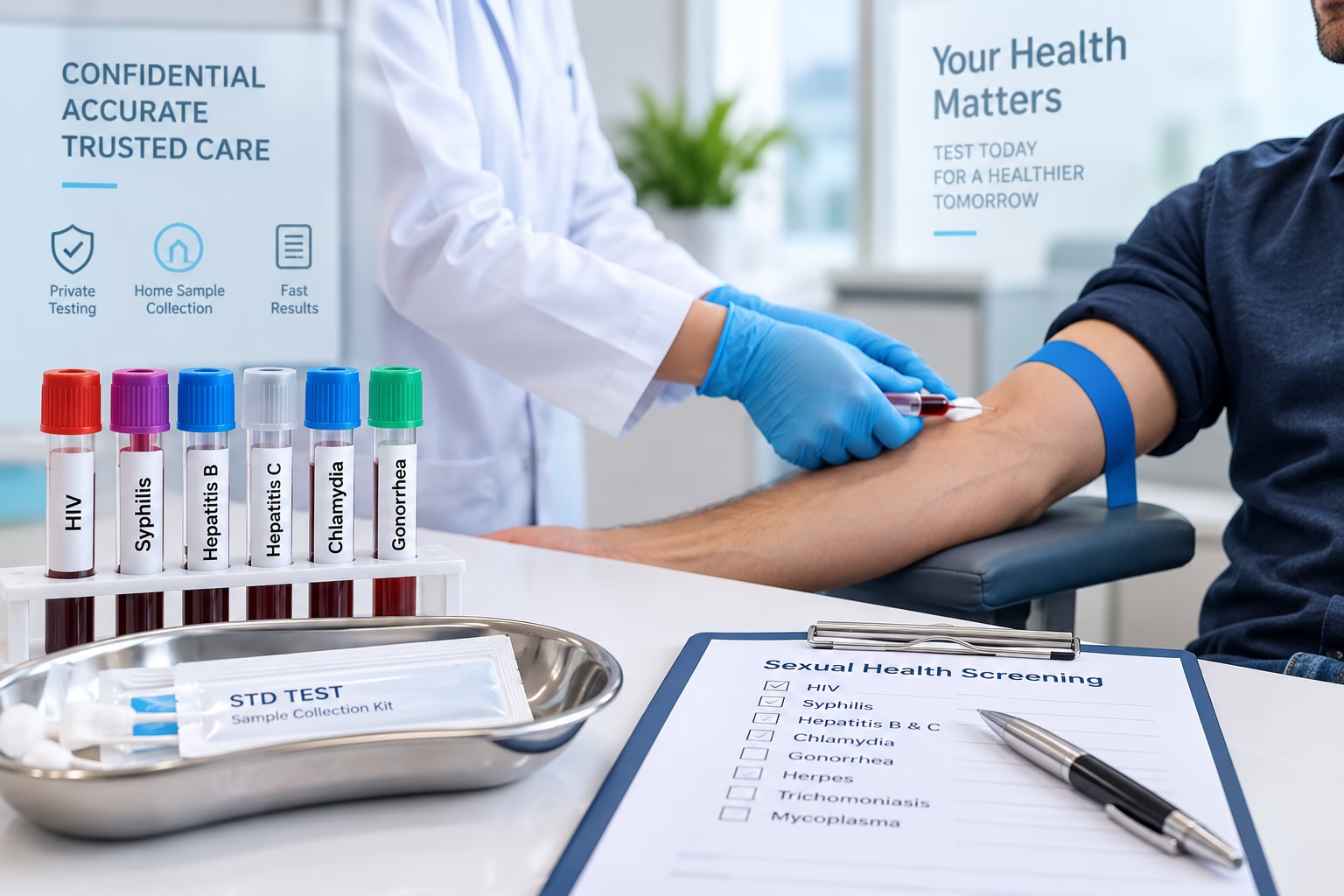
Sexually transmitted infections (STIs) can affect anyone who is sexually active, and many infections may cause no noticeable symptoms. An STD test helps detect infections that can be transmitted through sexual contact, allowing appropriate treatment and reducing the risk of passing an infection to a partner.
Depending on the infection being tested for, screening may involve a blood test, urine sample, genital swab, throat swab, or rectal swab. The right tests depend on your symptoms, sexual history, type of exposure, and the infections being considered.
Read this complete guide to STD tests to learn about the different types of tests, when testing is recommended, how samples are collected, costs, preparation, and results.
What Is an STD Test?
An STD test is a laboratory test used to detect sexually transmitted infections. The term STD is commonly used for sexually transmitted diseases, while STI is often preferred because a person can have an infection without developing symptoms.
STD testing may be recommended to check for infections such as:
- Chlamydia
- Gonorrhea
- Syphilis
- HIV
- Genital herpes
- Trichomoniasis
- Hepatitis B and hepatitis C
- Mycoplasma genitalium
- Other sexually transmitted infections based on individual risk
Not every STD test checks for every infection. A healthcare professional may recommend an individual test or a combination panel depending on your circumstances.
Why Is STD Testing Important?
Many sexually transmitted infections can be present without obvious symptoms. This means that feeling healthy does not always mean that an infection is absent.
Testing can help:
- Detect an infection early
- Identify infections that may not cause symptoms
- Guide appropriate treatment
- Reduce the risk of transmission to sexual partners
- Support sexual and reproductive health
- Provide screening after a possible exposure
- Monitor an infection after treatment when recommended
Regular screening may be particularly important for people with new or multiple partners, those who have had unprotected sexual contact, people whose partner has an STI, and individuals with symptoms suggestive of an infection.
Who Should Consider an STD Test?
An STD test may be appropriate if you:
- Have had unprotected vaginal, oral, or anal sex
- Have a new sexual partner
- Have multiple sexual partners
- Have symptoms such as genital discharge, sores, or burning while urinating
- Have been told that a sexual partner has an STI
- Are planning a pregnancy or undergoing fertility care
- Want routine sexual health screening
- Have had a previous STI
- Need follow-up testing after treatment
Testing recommendations can vary based on age, sexual practices, pregnancy status, previous infections, and individual risk factors.
Common Types of STD Tests
Different infections require different types of tests. A comprehensive STD screening may combine several methods.
- Chlamydia Test
Chlamydia is a bacterial infection that may affect the genital tract and can also occur at the throat or rectum. Testing commonly uses a urine sample or a swab from the relevant site. Because chlamydia can occur without symptoms, screening can be important even when a person feels well.
- Gonorrhea Test
Gonorrhea is another bacterial STI that can affect the genitals, throat, or rectum. Testing may involve urine or a swab, depending on the site of possible exposure. A healthcare professional can determine which sample is appropriate.
- Syphilis Test
Syphilis is a bacterial infection that is usually detected using blood tests. Additional evaluation may be recommended depending on symptoms and the stage of infection.
- HIV Test
HIV testing can involve different laboratory methods, including antigen/antibody tests and nucleic acid tests. The timing of testing matters because different HIV tests have different window periods. If testing occurs soon after a possible exposure, a healthcare professional may recommend repeat testing based on the test used and the timing of exposure.
- Herpes Test
Herpes testing depends on whether symptoms such as blisters or sores are present. When a visible lesion is present, a swab may be taken from the affected area. Blood testing may sometimes be considered in specific situations, but it is not routinely recommended for everyone without symptoms.
- Trichomoniasis Test
Trichomoniasis is a parasitic STI that can affect the genital tract. Testing may involve a genital sample or other laboratory methods depending on the patient and the test available.
- Hepatitis B and C Testing
Hepatitis B and hepatitis C can be assessed with blood tests. These infections are not exclusively sexually transmitted, but sexual exposure can be one route of transmission. Testing may be recommended when there are relevant risk factors or as part of broader sexual health screening.
What Is Included in a Full STD Test?
There is no single universal “full STD test” that checks every possible infection. The exact panel varies between laboratories and healthcare providers. A comprehensive screening package may include some combination of:
- HIV
- Syphilis
- Chlamydia
- Gonorrhea
- Hepatitis B
- Hepatitis C
- Herpes
- Trichomoniasis
- Mycoplasma genitalium
- Other organisms depending on the selected panel
For this reason, it is important to check exactly which infections are included before booking an STD screening package.
STD Test for Men
STD testing for men may involve urine, blood, or swab samples depending on the suspected infection and exposure.
Common reasons for testing include:
- Penile discharge
- Burning or pain during urination
- Genital sores or blisters
- Testicular or pelvic discomfort
- A new sexual partner
- Unprotected sexual contact
- A partner diagnosed with an STI
- Routine sexual health screening
For men who have had oral or anal exposure, testing may also need to include the throat or rectum rather than relying only on a urine test.
If you are also evaluating male reproductive health, read our guide to Semen Analysis Test: Preparation & Mistakes.
STD Test for Women
Women may require blood, urine, vaginal, cervical, throat, or rectal samples depending on the infection and exposure.
Testing may be considered when there is:
- Unusual vaginal discharge
- Abnormal vaginal bleeding
- Pelvic discomfort
- Burning during urination
- Genital sores or blisters
- A new sexual partner
- Unprotected sexual contact
- A partner with an STI
Some STIs can be present without symptoms, so testing may still be recommended even when there are no noticeable changes. If you are also undergoing fertility evaluation, learn more in our guide to the HSG Test.
STD Testing During Pregnancy
STI screening can be an important part of pregnancy care because certain infections can affect both the pregnant person and the baby. Depending on individual circumstances, healthcare professionals may recommend screening for infections such as HIV, syphilis, hepatitis B, hepatitis C, chlamydia, and gonorrhea.
If you are pregnant or planning pregnancy, tell your healthcare provider about any previous STI diagnosis or possible exposure so the appropriate tests can be selected.
How Is an STD Test Done?
The testing process depends on which infections need to be checked.
Step 1: Consultation or Test Selection
A healthcare professional may ask about symptoms, recent exposure, sexual practices, previous STI history, and other relevant factors.
This information helps determine which tests are appropriate.
Step 2: Sample Collection
Depending on the test, samples may include:
- Blood
- Urine
- Vaginal or genital swab
- Throat swab
- Rectal swab
- Swab from a visible sore or lesion
You may not need every type of sample.
Step 3: Laboratory Testing
The samples are sent to a laboratory where appropriate molecular, antigen, antibody, or other diagnostic methods are used.
Step 4: Results
Results are reviewed and reported according to the tests performed. If a result is positive or requires confirmation, additional testing or medical evaluation may be recommended.
How to Prepare for an STD Test
Preparation depends on the type of STD test.
Some general considerations include:
- Follow the laboratory’s instructions before sample collection.
- Tell the healthcare professional about any medications you take.
- Mention recent sexual exposure and approximate timing.
- Tell the provider if you have symptoms.
- Follow instructions regarding urination before a urine sample if provided.
- Avoid applying creams or other products to an area being swabbed unless instructed otherwise.
- Ask whether you need to avoid food or drink before any blood test.
Do not delay testing simply because you are unsure whether you prepared correctly. Contact the testing provider if you have questions.
Can You Get an STD Test at Home?
Yes, some STD testing services offer home sample collection. With home collection, a trained healthcare professional can visit your location and collect the required samples. Depending on the screening panel, this may involve blood, urine, or swab samples.
Home testing can be useful for people who value privacy or convenience. However, not every STI can be assessed using the same sample, and some situations require an in-person medical examination.
When Should You Take an STD Test After Exposure?
Testing immediately after sexual exposure may not detect every infection because different infections become detectable at different times. This period is sometimes referred to as the window period.
For example, HIV tests have different window periods depending on the test method. A laboratory antigen/antibody test can generally detect HIV earlier than an antibody-only test, while a nucleic acid test can detect infection earlier in some situations.
If you have had a recent possible exposure, speak with a healthcare professional about which test to take and whether repeat testing is needed. If the exposure may have been very recent and you are concerned about HIV, do not wait for a routine screening appointment to seek medical advice, as certain preventive treatments are time-sensitive.
How Long Does an STD Test Take?
Sample collection is generally quick, although the total appointment time depends on the number and type of samples required. Laboratory processing time also varies between tests.
Health 24/7 states that its STD testing service can provide many reports within approximately 12–24 hours, although the actual turnaround time depends on the selected tests and laboratory processing.
STD Test Results: What Do They Mean?
STD test results may be reported as:
Negative or Non-Reactive
A negative result generally means that the infection was not detected by the particular test at the time the sample was collected. However, a negative result does not always rule out an infection if testing was performed during a window period or if the wrong anatomical site was tested.
Positive or Reactive
A positive or reactive result means that the test detected evidence of the infection or requires further confirmation, depending on the specific test. A healthcare professional can explain what the result means and whether treatment, confirmatory testing, partner notification, or follow-up is needed.
Inconclusive or Indeterminate
Sometimes a test does not provide a clear result. Repeat testing or another type of test may be recommended.
What Happens If an STD Test Is Positive?
A positive STD test does not mean that you cannot be treated. Many bacterial STIs can be cured with appropriate treatment, while other infections can be managed effectively with medical care.
If your test is positive:
- Speak with a healthcare professional about the result.
- Follow the recommended treatment exactly.
- Ask whether your sexual partner or partners should also be tested.
- Avoid sexual contact or follow your provider’s instructions until it is safe to resume.
- Complete any recommended follow-up testing.
- Do not share prescription medication with another person.
For infections such as chlamydia and gonorrhea, retesting after treatment may be recommended because reinfection is possible.
STD Test vs STI Test: Is There a Difference?
The terms STD and STI are often used interchangeably, but they are not exactly the same.
STI means sexually transmitted infection and emphasizes that a person may have an infection without developing disease or symptoms.
STD means sexually transmitted disease and is commonly used when an infection has resulted in disease or symptoms.
In everyday healthcare and online searches, both terms are widely used. This is why you may see services described as either STD testing or STI testing.
STD Test Cost in Dubai
The cost of an STD test in Dubai depends on the number of infections included and the type of testing required. Health 24/7 currently lists different STD testing panels, with pricing varying according to the selected package. The service page also notes that home sample collection and blood or urine testing may be available depending on the package.
Because prices and package contents can change, confirm the current panel, inclusions, sample collection method, and final price before booking.
Where Can You Get an STD Test in Dubai?
You can arrange STD testing through diagnostic laboratories and healthcare providers in Dubai.
When choosing a testing service, consider:
- Laboratory accreditation and approval
- Confidential handling of patient information
- Qualified sample collection professionals
- The infections included in the panel
- Available sample types
- Report turnaround time
- Home collection availability
- Clear pricing
Health 24/7 coordinates STD testing through DHA-approved laboratories and offers confidential testing options in Dubai.
Why Choose Confidential STD Testing?
Sexual health testing can feel uncomfortable for some people. Confidential testing allows patients to discuss symptoms and possible exposure privately and receive their results securely.
Confidentiality is especially important when discussing sensitive information such as:
- Recent sexual exposure
- New or multiple partners
- Previous STI diagnoses
- Genital symptoms
- HIV testing
- Pregnancy or fertility planning
Providing accurate information to the healthcare professional helps ensure that the appropriate tests are selected.
When Should You See a Doctor Instead of Only Getting a Test?
An STD test is useful for screening, but some symptoms require medical evaluation as well.
Seek medical advice if you have:
- Severe pelvic or abdominal pain
- Significant genital swelling
- Painful sores or ulcers
- Fever with genital symptoms
- Unusual bleeding
- Severe pain while urinating
- Symptoms after a known STI exposure
- A positive STI test result
A healthcare professional can determine whether you need additional examination, treatment, or further testing.
Book Your STD Test at Health 24/7 Today
If you are concerned about a recent exposure, have symptoms, or want routine sexual health screening, getting tested can provide important information about your health.
Health 24/7 offers confidential STD testing options in Dubai, including different screening panels and convenient sample collection options.
Frequently Asked Questions About STD Tests
Can I have an STD without symptoms?
Yes. Many sexually transmitted infections can cause no noticeable symptoms, which is one reason screening can be important.
Does a urine test detect all STDs?
No. Different infections require different tests and sample types. Some may require blood testing or swabs from the genital, throat, rectal, or lesion site.
How soon after unprotected sex should I get an STD test?
The ideal timing depends on the infection and test method. Some infections may be detectable relatively soon, while others require a longer window period or repeat testing.
Is an STD test painful?
Most STD testing is relatively quick. Blood tests involve a standard blood draw, while urine and swab tests may cause mild temporary discomfort depending on the sample collected.
Can I get an STD test without symptoms?
Yes. Testing can be appropriate even when you feel completely healthy because many STIs do not cause symptoms.
Can I get an STD test at home in Dubai?
Home sample collection may be available for certain STD testing services. The required sample depends on the selected panel.
How long do STD test results take?
Turnaround time depends on the test and laboratory. Some Health 24/7 STD testing reports may be available within 12–24 hours, while certain tests can take longer.
Does a positive STD test mean I have to tell my partner?
Partner notification is often important because some STIs can be passed between partners even when there are no symptoms. Your healthcare professional can advise you about the appropriate next steps.