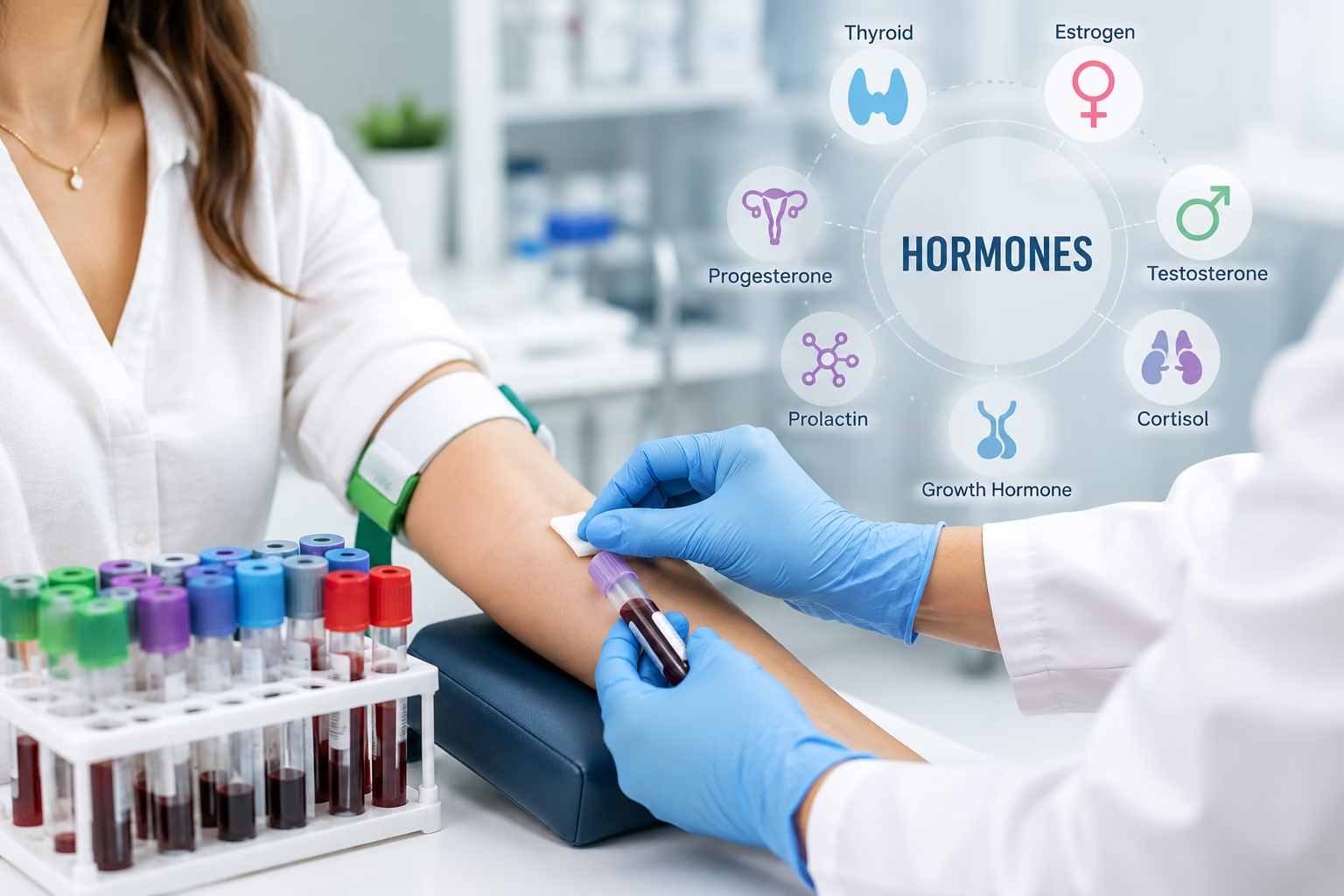
Hormones are chemical messengers that help regulate many important functions in the body, including metabolism, reproduction, growth, mood, sleep, stress response, and sexual health. When hormone levels become too high or too low, they can sometimes contribute to symptoms such as fatigue, unexplained weight changes, irregular periods, fertility problems, mood changes, or changes in sexual function.
A hormone test is a laboratory test that measures specific hormone levels in a blood, urine, or saliva sample, depending on the hormone and the type of test being performed.
Doctors may recommend hormone testing to investigate symptoms, evaluate fertility, monitor certain medical conditions, or assess how well a treatment is working.
This guide explains the different types of hormone tests, who may need them, how they are performed, how to prepare, hormone test costs in Dubai, how to understand the results, and when you may need further medical evaluation.
What Is a Hormone Test?
A hormone test measures the level of one or more hormones in a biological sample. Blood testing is one of the most common ways to measure hormone levels, although some hormones may also be assessed through urine or saliva testing.
The specific hormones tested depend on your symptoms, age, sex, reproductive status, medical history, and the reason for testing.
Commonly tested hormones include:
- Thyroid-stimulating hormone (TSH)
- Thyroxine (T4)
- Triiodothyronine (T3)
- Testosterone
- Estrogen
- Progesterone
- Follicle-stimulating hormone (FSH)
- Luteinizing hormone (LH)
- Prolactin
- Cortisol
- Anti-Müllerian hormone (AMH)
- Beta human chorionic gonadotropin (beta hCG)
Why Are Hormone Tests Done?
Hormone testing may be recommended when symptoms suggest a possible hormonal imbalance or when doctors need to monitor a known condition.
Common reasons include:
- Irregular menstrual cycles
- Difficulty becoming pregnant
- Symptoms of menopause
- Signs of polycystic ovary syndrome (PCOS)
- Erectile or sexual health concerns
- Low testosterone symptoms
- Unexplained fatigue
- Unexplained weight gain or weight loss
- Changes in mood
- Excessive hair growth or hair loss
- Acne or other hormonal skin changes
- Thyroid-related symptoms
- Abnormal puberty or growth
- Monitoring hormone replacement therapy
- Pregnancy-related testing
A hormone test is usually interpreted together with symptoms, medical history, physical examination, and other laboratory or imaging results.
Types of Hormone Tests
There is no single hormone test that checks every hormone in the body. Different tests evaluate different hormonal systems.
Thyroid Hormone Tests
Thyroid hormones help regulate metabolism, energy production, body temperature, heart rate, and many other functions.
Common thyroid tests include:
- TSH
- Free T4
- Free T3
- Thyroid antibodies when clinically indicated
TSH is often used as an initial test for evaluating thyroid function, while additional tests may be requested depending on the results and symptoms.
Testosterone Test
Testosterone is an important hormone in both men and women, although typical levels differ significantly.
In men, testosterone testing may be recommended when there are symptoms such as:
- Reduced sexual desire
- Erectile difficulties
- Reduced muscle mass
- Fatigue
- Changes in mood
- Fertility concerns
In women, testosterone may be measured when there are signs of androgen excess, such as excessive facial or body hair, acne, or certain menstrual abnormalities. The timing of testosterone testing can matter, particularly in men, because levels can vary during the day.
Estrogen Test
Estrogen refers to a group of hormones that play important roles in reproductive and overall health.
Estrogen testing may be considered when evaluating:
- Menstrual irregularities
- Fertility concerns
- Menopause
- Ovarian function
- Certain hormonal disorders
The appropriate estrogen measurement and timing depend on the reason for testing.
Progesterone Test
Progesterone is an important reproductive hormone that changes during the menstrual cycle. A progesterone test may be used to assess ovulation or evaluate certain fertility-related concerns. Because progesterone levels change throughout the menstrual cycle, the timing of the test is important.
FSH Test
Follicle-stimulating hormone (FSH) plays an important role in reproductive function. In women, FSH testing may be used to evaluate ovarian function, menstrual irregularities, menopause, or fertility. In men, FSH can be assessed as part of an evaluation of reproductive and testicular function.
LH Test
Luteinizing hormone (LH) is involved in reproductive function and ovulation.
LH testing may be recommended when investigating:
- Irregular periods
- Ovulation problems
- Infertility
- Menopause
- Certain reproductive hormone disorders
In men, LH can help assess hormonal regulation of testosterone production.
Prolactin Test
Prolactin is primarily associated with breast development and milk production, but it also plays a role in reproductive health.
Elevated prolactin levels can sometimes contribute to:
- Irregular periods
- Infertility
- Reduced sexual desire
- Erectile difficulties
- Unexpected breast milk production
Doctors may recommend prolactin testing when these symptoms are present or when there is another reason to suspect abnormal prolactin levels.
Cortisol Test
Cortisol is produced by the adrenal glands and plays an important role in the body’s response to stress, metabolism, blood pressure regulation, and immune function. Cortisol levels naturally change throughout the day, so the timing of the test is particularly important. Depending on the suspected condition, cortisol may be measured through blood, urine, or saliva testing.
AMH Test
Anti-Müllerian hormone (AMH) is commonly used as a marker of ovarian reserve. AMH testing may be requested during fertility evaluations to provide information about the number of remaining eggs in the ovaries.
However, AMH does not directly measure egg quality and should not be interpreted as a standalone fertility test.
Beta hCG Test
Human chorionic gonadotropin (hCG) is a hormone produced during pregnancy. A beta hCG blood test can be used to detect pregnancy and, when medically indicated, monitor changes in hCG levels.
If you want to understand the timing, procedure, and interpretation of this pregnancy hormone test, read our guide to the Beta hCG Test.
Hormone Tests for Women
Hormone testing in women can be recommended for several reasons, particularly when menstrual cycles, fertility, menopause, or symptoms of hormonal imbalance are involved.
Depending on the situation, testing may include:
- FSH
- LH
- Estrogen
- Progesterone
- Prolactin
- Testosterone
- AMH
- TSH
- Free T4
- Cortisol
The exact combination depends on the symptoms and the reason for testing.
Hormone Testing for Fertility
Hormone tests can form part of a fertility assessment by providing information about ovulation, ovarian function, thyroid function, and other reproductive factors. Doctors may request different hormones at different points in the menstrual cycle.
For example, some reproductive hormone tests are more useful during the early part of the menstrual cycle, while progesterone testing may be timed after ovulation. Your fertility specialist should determine which tests are appropriate and when they should be performed.
Hormone Tests During Menopause
Hormonal changes during perimenopause and menopause can contribute to symptoms such as:
- Hot flashes
- Night sweats
- Irregular periods
- Sleep changes
- Mood changes
- Vaginal dryness
Hormone testing is not always necessary to diagnose menopause, particularly in women within the typical age range with characteristic symptoms. Your doctor can determine whether testing is appropriate.
Hormone Tests for Men
Hormone testing in men may be recommended when symptoms suggest low testosterone, reproductive problems, or other endocrine concerns.
Tests may include:
- Testosterone
- LH
- FSH
- Prolactin
- Estradiol
- TSH
- Cortisol
Testosterone and Male Fertility
Testosterone is important for male reproductive health, but testosterone levels alone do not determine fertility. When evaluating male fertility, doctors may also recommend semen analysis and other investigations depending on the individual’s medical history.
Hormone Tests for Fertility
Hormone testing is commonly included as part of fertility evaluations for both men and women. In women, doctors may assess hormones involved in ovulation and ovarian function.
In men, hormone testing may be considered when there are abnormalities in sperm production, reduced libido, erectile difficulties, or other symptoms suggesting an endocrine problem.
Hormone testing is only one part of a fertility evaluation. Depending on the situation, additional blood tests, imaging, or semen analysis may also be recommended.
When Should You Get a Hormone Test?
The appropriate time for a hormone test depends on which hormone is being measured.
Some hormone levels remain relatively stable, while others change throughout the day or menstrual cycle.
Your doctor may recommend testing:
- At a particular time of day
- On a specific day of your menstrual cycle
- Before or after a particular treatment
- More than once to monitor hormone changes
For example, testosterone levels may be measured in the morning, while reproductive hormones may need to be tested at specific points in the menstrual cycle.
Following the recommended timing can make the results easier to interpret.
How Is a Hormone Test Done?
Most routine hormone blood tests are performed using a standard blood sample.
Step 1: Test Selection
Your doctor or healthcare professional determines which hormone tests are appropriate based on your symptoms and medical history.
Step 2: Preparation
You will receive instructions about fasting, medication, exercise, or the timing of the test if necessary.
Step 3: Blood Sample Collection
A healthcare professional cleans the skin and collects a small blood sample, usually from a vein in your arm.
Step 4: Laboratory Analysis
The sample is sent to the laboratory, where the requested hormones are measured using appropriate testing methods.
Step 5: Results
The laboratory prepares a report containing your hormone levels and the applicable reference ranges.
How to Prepare for a Hormone Test
Preparation varies depending on the hormone being tested.
You may be asked to:
- Fast before certain tests
- Have your blood collected at a specific time
- Schedule testing on a particular menstrual-cycle day
- Avoid strenuous exercise before testing
- Inform the laboratory about medications and supplements
- Follow instructions regarding hormone medications
Do not stop prescribed medication unless your doctor specifically tells you to do so.
If you are unsure whether fasting or specific timing is required, confirm the instructions before your appointment.
Can You Get a Hormone Test at Home?
Yes. Some hormone blood tests can be performed through home sample collection.
Health 24/7 currently offers home blood collection for hormone-related testing, including women’s and men’s hormone panels. Its listed Women Hormone Test at Home and Men Hormone Test at Home packages are priced at AED 599 each.
Home testing can be convenient for people who prefer to avoid travel or need testing at a location that is more comfortable for them. The exact tests included in a home hormone package can vary, so confirm the package details before booking.
Hormone Test Cost in Dubai
The cost of hormone testing in Dubai depends on the hormone being tested and whether you choose an individual test or a broader hormone panel.
Health 24/7 currently lists a general Hormone Test starting from AED 100. At-home hormone packages may cost more depending on the number of hormones included and the convenience of home sample collection.
Factors that can affect the final price include:
- Type of hormone test
- Number of hormones tested
- Individual test or hormone panel
- Home sample collection
- Laboratory processing
- Doctor consultation
- Insurance coverage
Always confirm the current price and exactly which tests are included before booking.
Understanding Your Hormone Test Results
Hormone test reports usually show your measured level alongside a laboratory reference range. However, interpreting hormone results can be more complicated than simply checking whether a number is high or low.
What Does a High Hormone Level Mean?
A high hormone level can have several possible causes. For example, elevated prolactin may have different causes from elevated testosterone or cortisol.
Your doctor will interpret the result based on the hormone measured, timing of the test, symptoms, medications, and other laboratory findings.
What Does a Low Hormone Level Mean?
Low hormone levels can also have different explanations.
For example, low testosterone may be associated with several medical or physiological factors, while low thyroid hormone levels may suggest a thyroid-related problem.
A single abnormal result does not always establish a diagnosis.
Why Timing Matters
Hormone levels can change according to:
- Time of day
- Menstrual cycle
- Pregnancy
- Age
- Medications
- Stress
- Illness
This is why a hormone result should always be interpreted in the context of when and why the test was performed.
What Happens If Your Hormone Levels Are Abnormal?
If a hormone test shows an abnormal result, your doctor may recommend additional evaluation.
Depending on the hormone and your symptoms, this may include:
- Repeating the hormone test
- Testing another related hormone
- Reviewing medications
- Physical examination
- Imaging
- Additional blood tests
- Referral to an endocrinologist
- Referral to a fertility specialist or gynecologist
An abnormal hormone result does not automatically mean that you have a serious medical condition.
Hormone Test vs. Regular Blood Test
A hormone test is itself a type of blood test when the hormone is measured from a blood sample.
The difference is primarily what the laboratory is measuring.
A routine blood test may evaluate blood cells, glucose, cholesterol, liver enzymes, or kidney markers, while a hormone test specifically measures hormones or related endocrine markers.
Some health checkup packages may include selected hormone tests alongside other blood investigations.
Where Can You Get a Hormone Test in Dubai?
When choosing a hormone testing provider, consider:
- Qualified healthcare professionals
- Reliable laboratory testing
- Clear preparation instructions
- Accurate sample collection
- Digital reports
- Appropriate reference ranges
- Home sample collection options
- Transparent pricing
Health 24/7 offers hormone testing as part of its laboratory testing services in Dubai, including routine hormone tests and specialized hormone-related panels.
If you are experiencing symptoms that may be related to hormonal changes, or your doctor has recommended hormone testing, getting the appropriate tests can help provide useful information about your health.
Book Your Hormone Test at Health 24/7 Today and get professional support with test selection, sample collection, and report delivery.
Frequently Asked Questions
What is a hormone test?
A hormone test measures the level of one or more hormones in a blood, urine, or saliva sample. It may be used to investigate symptoms, assess fertility, evaluate thyroid function, or monitor certain medical conditions.
What hormones are commonly tested?
Common hormone tests include TSH, T3, T4, testosterone, estrogen, progesterone, FSH, LH, prolactin, cortisol, AMH, and beta hCG.
Do I need to fast before a hormone test?
Not all hormone tests require fasting. Preparation depends on the specific hormone being tested and your doctor’s instructions.
What is the best time to take a hormone test?
It depends on the hormone. Some tests are best performed at a specific time of day, while reproductive hormone tests may need to be scheduled according to the menstrual cycle.
Can a hormone test detect fertility problems?
Hormone tests can provide useful information during fertility evaluations, but they cannot determine fertility on their own. Doctors may also recommend imaging, semen analysis, or other investigations.
Can hormone tests diagnose PCOS?
Hormone testing can be part of a PCOS evaluation, but there is no single blood test that confirms PCOS. Doctors consider symptoms, menstrual history, physical findings, laboratory results, and sometimes ultrasound findings.
Can hormone tests diagnose menopause?
Hormone testing is not always required to diagnose menopause. In many cases, age and typical symptoms provide sufficient information, although testing may be recommended in certain situations.
Can men get hormone tests?
Yes. Men may undergo hormone testing to evaluate testosterone levels, fertility concerns, sexual health symptoms, thyroid function, and other endocrine issues.