When couples face difficulty conceiving, doctors often recommend tests to evaluate reproductive health and identify possible causes. One important fertility investigation is the HSG test, which helps assess the uterus and fallopian tubes for blockages or structural concerns that may affect pregnancy. Many women undergo this test during infertility evaluation or after recurrent pregnancy loss. Read on to learn how the HSG procedure works, why doctors recommend it, how to prepare, and what the results may reveal.
What Is an HSG Test and What Does It Check?
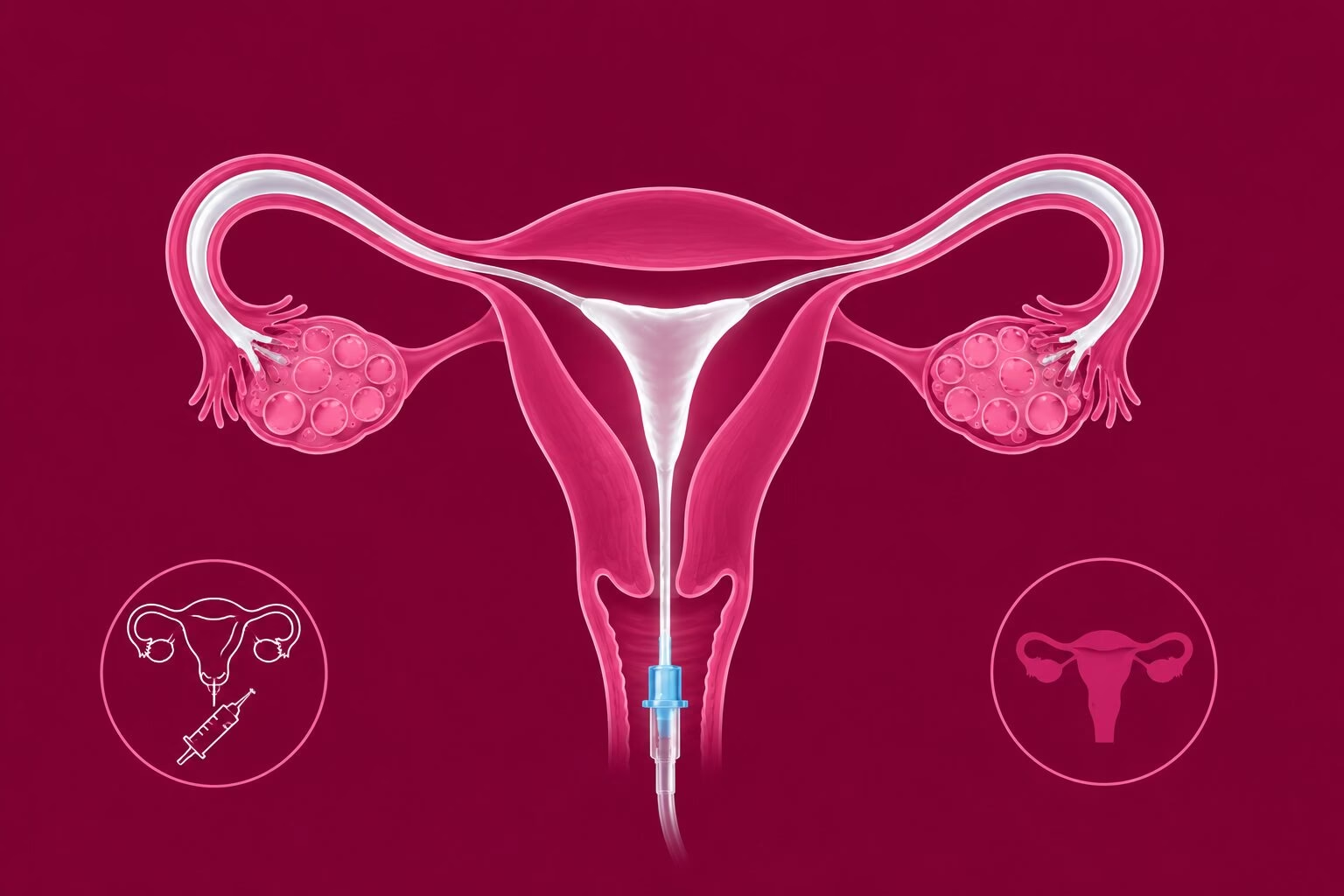
An HSG test, also known as a hysterosalpingography test, is a specialized fertility diagnostic procedure that uses contrast dye and X ray imaging to examine the uterus and fallopian tubes. It helps doctors evaluate reproductive health, detect abnormalities, and identify issues that may affect conception.
How the Test Examines the Uterus and Fallopian Tubes
During the HSG procedure, a contrast dye is introduced into the uterus through a thin catheter. X ray images track the movement of the dye through the uterus and fallopian tubes, helping identify blockages or structural abnormalities.
Conditions an HSG Test May Detect
- Blocked fallopian tubes preventing natural egg passage.
- Uterine shape abnormalities affecting successful embryo implantation.
- Scar tissue causing reproductive tract flow restrictions.
- Congenital conditions affecting normal uterine development patterns.
Why It Is Commonly Used During Fertility Evaluation
The HSG fertility test is commonly recommended during female fertility assessment because it provides valuable information about tubal patency and uterine health. It can help investigate infertility, difficulty conceiving, and certain causes associated with recurrent miscarriages.
Unlike a pelvic ultrasound, an HSG test specifically evaluates whether fallopian tubes are open and functioning properly. Both tests may be used together because ultrasound assesses pelvic organs and ovaries, while HSG focuses on reproductive tract structure and tubal patency.
When Doctors Recommend an HSG Test
Doctors may recommend an HSG test when investigating fertility concerns or evaluating reproductive health conditions that could interfere with conception or pregnancy.
- Difficulty conceiving despite regular unprotected intercourse attempts.
- Suspected blockage affecting one or both tubes.
- Previous pelvic infections causing reproductive tract damage.
- Endometriosis symptoms requiring further fertility related evaluation.
- Prior ectopic pregnancy affecting future reproductive planning.
- Recurrent pregnancy loss requiring uterine cavity assessment.
- Evaluation before certain fertility treatment procedures begin.
While an HSG test can identify blocked tubes and uterine abnormalities, it cannot diagnose ovulation disorders, hormone imbalances, egg quality issues, or male fertility factors. Additional fertility investigations may be required for a complete fertility workup.
Before scheduling an HSG test, your doctor may recommend a beta hCG test to confirm that you are not pregnant. Learn more in Beta hCG Test: Price, Procedure and Best Time to Test.
What Happens During the Procedure?
Knowing what happens during an HSG scan process can help reduce anxiety and make the experience more comfortable. The procedure is typically completed as an outpatient fertility imaging test.
Before the Test Begins
The HSG test is usually scheduled after menstruation ends but before ovulation begins. Pregnancy must be ruled out before testing, and patients may receive instructions regarding medications and preparation before the appointment.
Step by Step Procedure
A speculum is gently inserted into the vagina, followed by placement of a thin catheter into the uterus. Contrast dye is then introduced while X ray images capture the flow of dye through reproductive structures.
How Long the Test Takes
The actual HSG procedure often takes around 10 to 20 minutes. Including registration, preparation, imaging, and recovery, most appointments are completed within one hour, allowing patients to return to normal daily activities shortly afterward.
A typical visit includes arrival and registration, preparation, imaging, brief observation, and discharge. Knowing this timeline beforehand can help patients feel more relaxed and prepared on the day of testing.
Preparing for an HSG Test
Proper HSG test preparation can improve comfort and help ensure accurate imaging results. Following your healthcare provider’s instructions before the appointment is important.
Scheduling the Test at the Right Time
The HSG appointment is generally scheduled within the first half of the menstrual cycle, after bleeding stops and before ovulation. This timing helps avoid performing the test during pregnancy.
Instructions Before the Appointment
Patients should discuss medications, allergies, previous reactions to contrast dye, and relevant medical history with their healthcare provider. Following instructions regarding food, hydration, and medications is also important.
What to Bring and Expect
Bring identification, previous fertility testing reports, referral documents, and any requested medical records. Understanding the procedure and discussing follow up plans beforehand can help reduce stress on the test day.
Practical preparation includes confirming the appointment, arranging transportation if needed, gathering previous reports, and following medical instructions. On the day of the test, arrive early and wear comfortable clothing.
HSG Test Benefits
- Provides valuable information about reproductive tract function.
- Helps identify treatable causes affecting female fertility.
- Minimally invasive procedure with relatively quick completion.
- Supports accurate fertility diagnosis and treatment planning.
- Detects blocked fallopian tubes that may affect conception.
- Evaluates the shape and condition of the uterus.
- Assists doctors in selecting appropriate fertility treatments.
Risks, and Common Concerns
An HSG test offers important fertility information by identifying blocked fallopian tubes, uterine abnormalities, and structural concerns that may affect conception. The procedure is widely used because it provides detailed imaging while remaining relatively simple, quick, and minimally invasive for most patients.
Most women experience only mild discomfort or cramping during the procedure. Rare complications may include infection, contrast dye reactions, or bleeding. Some studies suggest that the dye used during HSG may temporarily improve fertility by flushing minor debris or partial blockages from the fallopian tubes.
What the Results Can Reveal
Normal HSG test results generally indicate that the uterus appears healthy and the fallopian tubes are open. The dye flows freely through reproductive structures, suggesting there are no major blockages affecting the passage of eggs through the tubes.
Abnormal findings may include partial tube blockage, complete blockage, uterine shape abnormalities, or scar tissue. These results help doctors decide whether fertility medications, surgical treatment, further investigations, or assisted reproductive techniques may be appropriate for achieving pregnancy.
A Valuable Step Toward Finding Fertility Answers
An HSG test plays an important role in evaluating female fertility by providing detailed information about the uterus and fallopian tubes. The procedure can help identify blockages, structural abnormalities, and other factors that may affect conception. With proper preparation and expert interpretation, HSG results can guide the next steps in fertility planning and treatment. For many women, this diagnostic test provides important answers that support informed reproductive healthcare decisions.
Safe and Affordable HSG Test in Dubai
Health24/7 provides advanced HSG testing in Dubai by connecting patients with the nearest diagnostic facility from a network of trusted imaging centers. Supported by experienced radiologists with more than 15 years of expertise, the service focuses on safe, accurate, and reliable fertility diagnostics. Health24/7 helps patients access quality diagnostic care through experienced professionals, modern imaging technology, convenient appointment scheduling, and affordable testing solutions across Dubai.
FAQs
What is an HSG test used for?
An HSG test is used to examine the uterus and fallopian tubes. It helps identify blocked tubes, uterine abnormalities, and other structural concerns that may contribute to infertility, difficulty conceiving, or recurrent pregnancy loss.
Does an HSG test confirm blocked fallopian tubes?
Yes, an HSG test is one of the most commonly used procedures to identify blocked fallopian tubes. It shows whether contrast dye can pass through the tubes normally or if a blockage is present.
Is the HSG procedure painful?
Most women experience mild cramping or temporary discomfort during the HSG procedure. The level of discomfort varies, but the procedure is generally well tolerated and is completed within a short period.
How should I prepare for an HSG test?
Preparation usually includes scheduling the test after menstruation, discussing medications and allergies, following medical instructions, and bringing relevant reports. Your healthcare provider will provide specific guidance based on your situation.
Can I get pregnant after an HSG test?
Some women may conceive naturally after an HSG test. In certain cases, the contrast dye may help clear minor debris within the fallopian tubes, which could temporarily improve fertility.
How long does it take to receive HSG test results?
Many imaging centers provide preliminary findings shortly after the procedure. The final report is usually reviewed by a radiologist and shared with your doctor within a few days.
Who should consider having an HSG test during fertility evaluation?
Women who have difficulty conceiving, recurrent pregnancy loss, suspected blocked tubes, previous pelvic infections, or those preparing for fertility treatment may be advised to undergo an HSG fertility test.