Diabetes is a common condition that affects how the body uses glucose, the main source of energy for cells. When blood glucose levels remain too high because the body does not produce enough insulin or cannot use insulin effectively, it can gradually affect the heart, kidneys, eyes, nerves, and blood vessels.
A diabetes test helps measure blood glucose levels and determine whether a person has normal blood sugar, prediabetes, or diabetes. Different tests may be used depending on a person’s symptoms, age, pregnancy status, risk factors, and medical history. Some tests measure blood glucose at a specific point in time, while others show average blood sugar levels over several months.
This complete guide explains the different diabetes test types, preparation, normal ranges, HbA1c testing, testing procedures, results, cost in Dubai, home testing, and when you may need to get tested.
What Is a Diabetes Test?
A diabetes test is a laboratory test used to measure glucose levels in the blood or assess how the body handles glucose. Doctors may recommend one test or a combination of tests depending on the reason for testing.
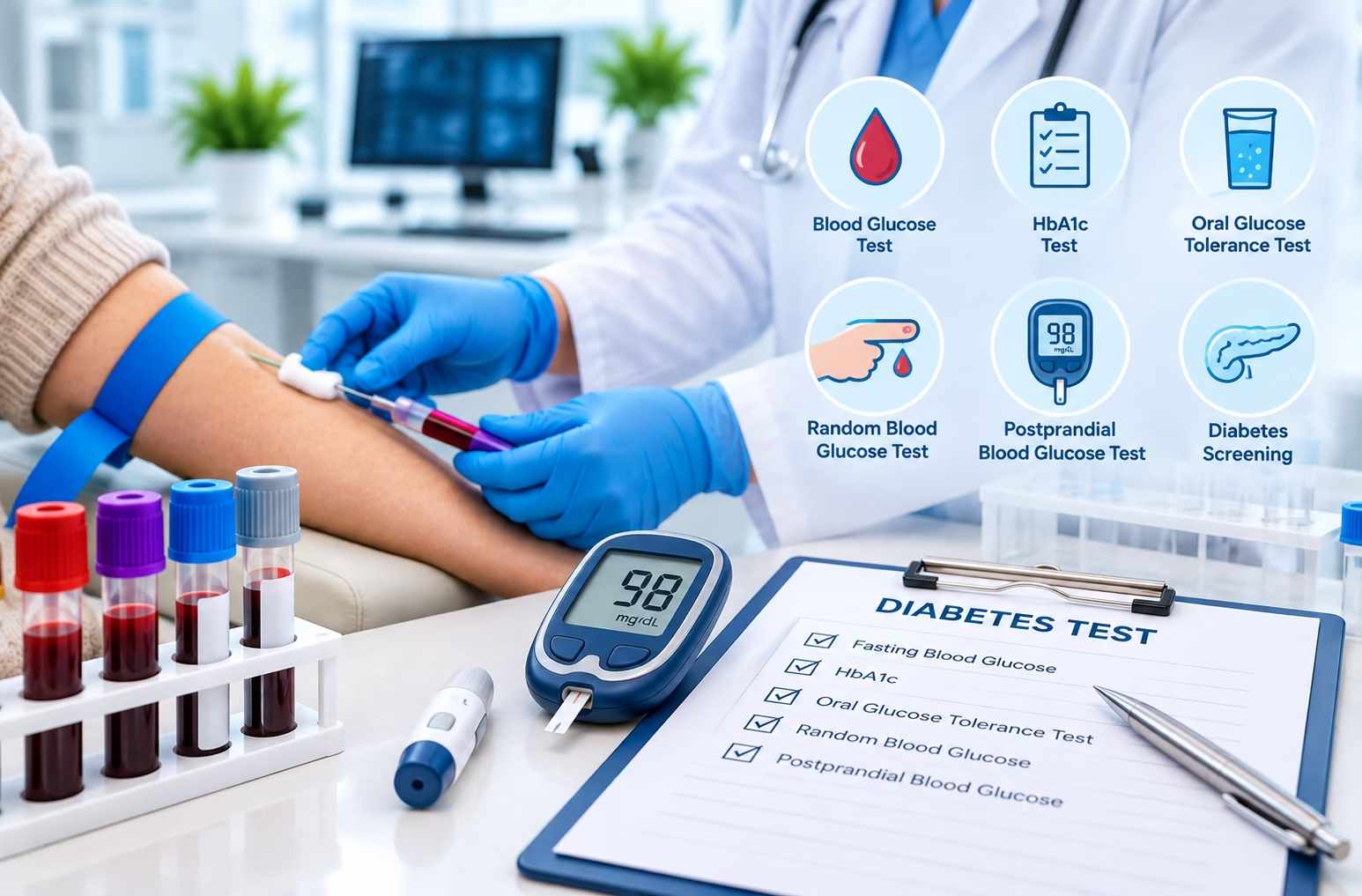
The most commonly used diabetes tests include:
- Fasting Blood Glucose Test
- Random Blood Glucose Test
- HbA1c Test
- Oral Glucose Tolerance Test
- Postprandial Blood Glucose Test
- Pregnancy glucose testing
- Urine glucose testing in selected situations
Blood glucose testing is often used to diagnose diabetes and monitor blood sugar levels. HbA1c is particularly useful because it provides an estimate of average blood glucose over the previous two to three months.
Why Is a Diabetes Test Done?
A diabetes test may be recommended to check for diabetes, identify prediabetes, investigate symptoms, or monitor an existing diagnosis.
Testing may be recommended if you have:
- Frequent urination
- Increased thirst
- Increased hunger
- Unexplained weight loss
- Persistent tiredness
- Blurred vision
- Slow-healing cuts or wounds
- Recurrent infections
- Tingling or numbness in the hands or feet
Some people with diabetes or prediabetes may have few or no noticeable symptoms. This is why testing can be important for people with risk factors even when they feel well.
Doctors may also recommend regular testing for people with a family history of diabetes, overweight or obesity, high blood pressure, abnormal cholesterol levels, or other factors associated with a higher risk of developing diabetes.
For a broader understanding of blood testing, including different test types, preparation, procedures, and results, read our guide on Blood Test: Types, Cost, Procedure, Preparation & Results.
Types of Diabetes Tests
There is no single test used for every situation. The appropriate test depends on the person’s health, symptoms, age, pregnancy status, and reason for testing.
- Fasting Blood Glucose Test
The fasting blood glucose test measures the amount of glucose in your blood after you have not eaten for a specified period, usually overnight.
You may be asked to avoid food and calorie-containing drinks before the test. Water is generally permitted, but your laboratory or healthcare provider should provide specific instructions.
Commonly used interpretation ranges for non-pregnant adults are:
- Normal: Less than 100 mg/dL
- Prediabetes: 100–125 mg/dL
- Diabetes: 126 mg/dL or higher
A diabetes diagnosis usually requires confirmation with repeat testing or another appropriate diagnostic test unless there are clear symptoms and significantly elevated glucose levels.
- Random Blood Glucose Test
A random blood glucose test measures blood sugar at any time of day, regardless of when you last ate. This test can be useful when someone has symptoms of high blood sugar and needs an assessment without waiting for a fasting appointment.
A random glucose level of 200 mg/dL or higher may indicate diabetes when accompanied by classic symptoms of hyperglycemia, although your healthcare provider may perform additional testing to confirm the diagnosis.
- HbA1c Test
The HbA1c test, also called the A1C or glycated hemoglobin test, measures the percentage of hemoglobin with glucose attached to it.
Unlike a fasting blood glucose test, HbA1c does not measure your blood sugar at only one moment. Instead, it provides an estimate of your average blood glucose level over approximately the previous two to three months.
Common interpretation ranges include:
- Normal: Below 5.7%
- Prediabetes: 5.7%–6.4%
- Diabetes: 6.5% or higher
HbA1c is widely used for diabetes diagnosis and monitoring, although it may not be suitable or equally reliable in every person. Certain conditions affecting red blood cells or hemoglobin can influence the result.
- Oral Glucose Tolerance Test
The oral glucose tolerance test, or OGTT, evaluates how the body processes glucose after drinking a measured glucose solution. A fasting blood sample is usually collected first. You then drink a glucose-containing solution, followed by another blood sample after a specified period.
The OGTT is commonly used in pregnancy to assess gestational diabetes and can also be used in selected non-pregnant individuals when additional glucose testing is needed.
- Postprandial Blood Glucose Test
A postprandial blood glucose test measures blood sugar after eating, commonly around two hours after the start of a meal. It may be used to assess how effectively the body manages glucose after food and can be useful when monitoring diabetes.
Your healthcare provider may recommend this test alongside fasting glucose or HbA1c depending on your situation.
Diabetes Test vs HbA1c Test
A diabetes test is a broad term that can refer to several tests used to assess blood glucose. HbA1c is one specific type of diabetes-related blood test.
The main difference is what each test tells you.
Test | What It Measures | Fasting Usually Required? |
Fasting Blood Glucose | Blood sugar after fasting | Yes |
Random Blood Glucose | Blood sugar at any time | No |
HbA1c | Average blood glucose over about 2–3 months | No |
OGTT | How the body handles glucose after a glucose drink | Yes initially |
Postprandial Glucose | Blood sugar after eating | Usually timed after a meal |
Your doctor may recommend one test or several tests rather than relying on a single result.
What Is the Normal Blood Sugar Level?
Blood sugar ranges depend on the type of test, timing, and individual circumstances.
For commonly used non-pregnancy diagnostic criteria:
Fasting Blood Glucose
- Below 100 mg/dL: generally considered normal
- 100–125 mg/dL: generally consistent with prediabetes
- 126 mg/dL or higher: diabetes range
HbA1c
- Below 5.7%: generally considered normal
- 5.7%–6.4%: prediabetes range
- 6.5% or higher: diabetes range
Random Blood Glucose
A result of 200 mg/dL or higher may support a diabetes diagnosis when accompanied by classic symptoms. These numbers should not be used to diagnose yourself. A healthcare professional should interpret your results in the context of your symptoms, medical history, medications, and other test findings.
What Is the Difference Between Diabetes and Prediabetes?
Prediabetes means blood glucose levels are higher than the normal range but have not reached the diagnostic range for diabetes. It does not necessarily mean that diabetes will develop. However, prediabetes can indicate an increased risk of developing type 2 diabetes and other metabolic health problems.
Finding prediabetes can provide an opportunity to make appropriate lifestyle changes and discuss risk reduction with a healthcare professional.
How Is a Diabetes Test Done?
Most diabetes tests are simple blood tests.
The usual process includes:
Step 1: Book the Test
Choose the appropriate diabetes test based on your doctor’s recommendation or testing requirements.
Step 2: Follow Preparation Instructions
If you are having a fasting glucose test or OGTT, you may need to fast beforehand. HbA1c generally does not require fasting.
Step 3: Blood Sample Collection
A trained healthcare professional collects a small blood sample, usually from a vein in your arm.
Step 4: Laboratory Testing
The sample is sent to a laboratory where it is analyzed using the appropriate testing method.
Step 5: Receive Your Results
The report will provide your glucose or HbA1c result and the laboratory’s reference range. Results should be interpreted with your healthcare provider when they are being used for diagnosis or treatment decisions.
How to Prepare for a Diabetes Test
Preparation depends on the specific test.
For a Fasting Blood Glucose Test
You may be instructed to:
- Fast overnight or for the period specified by the laboratory
- Avoid food during the fasting period
- Drink water if permitted
- Avoid sugary drinks
- Follow medication instructions provided by your doctor
- Tell the laboratory about medications or supplements you take
Do not stop prescribed medication simply because you are having a blood test unless your healthcare provider specifically instructs you to do so.
For an HbA1c Test
Usually, fasting is not required.
You can generally eat and drink normally unless your healthcare provider has asked you to follow additional instructions because other tests are being performed at the same time.
For an OGTT
Preparation is more specific. You may need to fast before the first blood sample and follow instructions regarding food, medications, physical activity, and the glucose drink.
Always follow the instructions given by the testing laboratory or your healthcare provider.
Can You Take a Diabetes Test at Home?
Yes, some diabetes-related blood tests can be coordinated through home sample collection services, depending on the laboratory and test required.
Health 24/7 offers laboratory testing and home blood sample collection services in Dubai, allowing patients to have eligible blood samples collected at home by trained professionals.
Home collection can be convenient for:
- Older adults
- People with mobility difficulties
- Busy professionals
- People who prefer private testing
- Patients requiring regular monitoring
- Individuals who find clinic visits inconvenient
However, home collection does not mean that every diabetes test can be performed entirely at home. Some tests, such as certain glucose tolerance procedures, may require specific laboratory arrangements.
Diabetes Test for Children
Children may need diabetes testing when symptoms, family history, or other risk factors raise concern. Symptoms such as excessive thirst, frequent urination, unexplained weight loss, fatigue, or sudden changes in behavior may require medical evaluation.
The type of test depends on the child’s age, symptoms, and clinical situation. Parents should consult a pediatrician rather than choosing a diagnostic test based only on an online range.
Diabetes Testing During Pregnancy
Pregnancy changes how the body processes glucose, and some women develop gestational diabetes during pregnancy. Healthcare providers commonly use glucose testing during pregnancy to identify gestational diabetes, often during the second trimester. Women with certain risk factors may be tested earlier.
The exact testing approach can vary. An oral glucose tolerance test may be used after an initial screening test depending on the healthcare provider’s protocol. Gestational diabetes can increase health risks for both the mother and baby, making recommended pregnancy screening important even when there are no symptoms.
How Often Should You Get a Diabetes Test?
The frequency of testing depends on your age, health, risk factors, previous results, and whether you have already been diagnosed with diabetes. People without diabetes may be advised to undergo periodic screening based on their individual risk.
People with prediabetes may need more frequent monitoring. People who already have diabetes may require regular HbA1c and glucose monitoring as part of their treatment plan.
Your doctor can recommend an appropriate testing schedule based on your individual needs.
What Does a High Diabetes Test Result Mean?
A high glucose or HbA1c result does not automatically tell you everything about your health.
A high result may indicate:
- Diabetes
- Prediabetes
- Temporary elevation during illness or stress
- Medication-related changes
- Other metabolic or hormonal factors
The significance depends on which test was performed and how high the result is. If a result falls within a diabetes range, your healthcare provider may recommend repeat testing or another diagnostic test before confirming the diagnosis, depending on the circumstances.
What Does a Low Blood Sugar Test Result Mean?
Low blood glucose is known as hypoglycemia. It may occur in people taking certain diabetes medications, particularly insulin or medicines that increase insulin release. It can also occur in other situations.
Symptoms may include:
- Shaking
- Sweating
- Hunger
- Dizziness
- Weakness
- Confusion
- Fast heartbeat
- Difficulty concentrating
Severe hypoglycemia can be an emergency. If you experience significant symptoms or loss of consciousness, seek urgent medical assistance.
Diabetes Test Results: What Should You Look For?
When you receive your report, check:
- The name of the test
- Your result
- The measurement unit
- The laboratory reference range
- Any notes included with the report
- Whether the test was fasting or non-fasting
Do not compare your result directly with another person’s report because reference ranges and testing circumstances can differ. A healthcare professional can explain what the result means in relation to your overall health.
Diabetes Test Cost in Dubai
The diabetes test cost in Dubai varies depending on the type of test, laboratory, whether you choose an individual test or a health screening package, and whether home sample collection is included. A basic glucose test may cost less than a broader diabetes or metabolic screening package. HbA1c, fasting glucose, insulin testing, lipid testing, kidney function tests, and other investigations may be combined into packages depending on the patient’s needs.
Health 24/7 provides laboratory testing and blood test services in Dubai, including convenient home sample collection for eligible tests. Pricing should be confirmed when booking because the final cost depends on the specific test or package selected.
Diabetes Test vs Diabetes Monitoring
It is important to distinguish between diagnosing diabetes and monitoring diabetes. A diagnostic test is performed to determine whether a person has diabetes or prediabetes.
Monitoring tests are performed after diagnosis to help evaluate blood glucose control and determine whether the current treatment plan is working effectively. HbA1c is commonly used for longer-term monitoring because it reflects average glucose levels over several months.
People who use glucose meters or continuous glucose monitoring devices may also track their blood glucose more frequently as part of their treatment plan.
Can a Diabetes Test Detect Type 1 and Type 2 Diabetes?
Glucose and HbA1c tests can identify abnormal blood sugar levels, but they do not always determine whether the underlying condition is type 1 or type 2 diabetes.
When the type of diabetes is uncertain, doctors may use additional information and tests, such as diabetes-related autoantibody testing or C-peptide testing, depending on the clinical situation. The correct diagnosis matters because treatment approaches can differ between diabetes types.
Diabetes Test and Insulin Testing
Insulin testing is different from a standard blood glucose test. A glucose test measures the amount of glucose in your blood, while an insulin test measures insulin levels.
Insulin testing may be requested in specific situations, such as evaluating insulin production or investigating certain metabolic conditions. It is not routinely required for everyone being screened for diabetes.
To understand other hormone-related blood tests, their uses, preparation, and results, read our Hormone Test: Types, Cost, Preparation & Results Guide.
Diabetes Test and Cholesterol Testing
People with diabetes may also need cholesterol and other cardiovascular risk assessments. High blood glucose can be associated with an increased risk of cardiovascular disease. For this reason, a healthcare professional may recommend testing cholesterol, triglycerides, blood pressure, kidney function, and other health markers alongside diabetes testing.
Learn more about different vitamin tests, preparation, costs, and results in our Vitamin Test: Types, Cost, Preparation & Results Guide.
Who Should Consider Diabetes Testing?
Diabetes testing may be particularly important for people who have:
- A family history of diabetes
- Overweight or obesity
- High blood pressure
- Abnormal cholesterol or triglyceride levels
- A history of gestational diabetes
- Polycystic ovary syndrome
- Limited physical activity
- Previous prediabetes
- Symptoms associated with high blood glucose
- Other risk factors identified by a healthcare professional
Not everyone with risk factors will develop diabetes, but appropriate screening can help identify glucose abnormalities earlier.
Are Diabetes Tests Safe?
Most diabetes blood tests are safe and involve only a small blood sample. You may experience brief discomfort, minor bruising, or slight bleeding at the collection site. Serious complications are uncommon.
An OGTT may occasionally cause temporary nausea, dizziness, or discomfort because of the concentrated glucose drink, particularly when taken after fasting.
How Long Does a Diabetes Test Take?
The blood collection itself usually takes only a few minutes. The total appointment time depends on the test.
A standard blood glucose or HbA1c test can usually be completed quickly, while an oral glucose tolerance test takes longer because multiple blood samples may be required over a set period. Report availability also depends on the laboratory and the type of test ordered.
When Should You See a Doctor?
You should discuss your results with a healthcare professional if:
- Your blood glucose is repeatedly elevated
- Your HbA1c is in the prediabetes or diabetes range
- You have symptoms of high blood sugar
- You experience repeated low blood sugar
- You are pregnant and have abnormal glucose results
- You already have diabetes and your readings are changing significantly
- You are unsure how to interpret your report
Seek urgent medical care for severe symptoms such as confusion, loss of consciousness, severe weakness, difficulty breathing, or other signs of a serious metabolic emergency.
Where Can You Get a Diabetes Test in Dubai?
If you need a diabetes test in Dubai, Health 24/7 coordinates laboratory testing through healthcare and diagnostic services, with options for convenient blood sample collection at home for eligible tests.
Before booking, confirm which diabetes test you need, whether fasting is required, the expected report time, and the total cost. If you are unsure whether you need fasting glucose, HbA1c, an OGTT, or another test, a healthcare professional can help determine the appropriate option.
Frequently Asked Questions About Diabetes Tests
What is the most common test for diabetes?
Common tests include fasting blood glucose, HbA1c, random blood glucose, and oral glucose tolerance testing. The most appropriate test depends on the person’s situation.
Does a diabetes test require fasting?
Some tests require fasting, while others do not. Fasting is commonly required for fasting blood glucose and the initial stage of an OGTT, while HbA1c generally does not require fasting.
Is HbA1c the same as a diabetes test?
HbA1c is one type of diabetes-related test. It measures average blood glucose over approximately two to three months rather than measuring glucose at one specific time.
Can I eat before an HbA1c test?
HbA1c generally does not require fasting. However, if other blood tests are being performed at the same appointment, you may receive different preparation instructions.
Can I get a diabetes blood test at home in Dubai?
Eligible blood tests can be arranged through home sample collection services. Health 24/7 coordinates home blood sample collection in Dubai for suitable laboratory tests.
What is a normal fasting blood sugar level?
For commonly used diagnostic criteria in non-pregnant adults, a fasting glucose level below 100 mg/dL is generally considered normal.
What HbA1c level indicates diabetes?
An HbA1c level of 6.5% or higher is within the diabetes diagnostic range, but diagnosis should be confirmed and interpreted by a healthcare professional.
Can I have diabetes without symptoms?
Yes. Some people with diabetes or prediabetes have few or no obvious symptoms, which is why screening can be important for people with risk factors.
How often should I check my blood sugar?
The appropriate frequency depends on whether you have diabetes, prediabetes, pregnancy-related glucose concerns, or another reason for monitoring. Your healthcare provider can recommend the right schedule.
Can stress affect blood sugar?
Stress, illness, changes in sleep, medications, and other factors can affect blood glucose. A single abnormal result should therefore be interpreted in context.