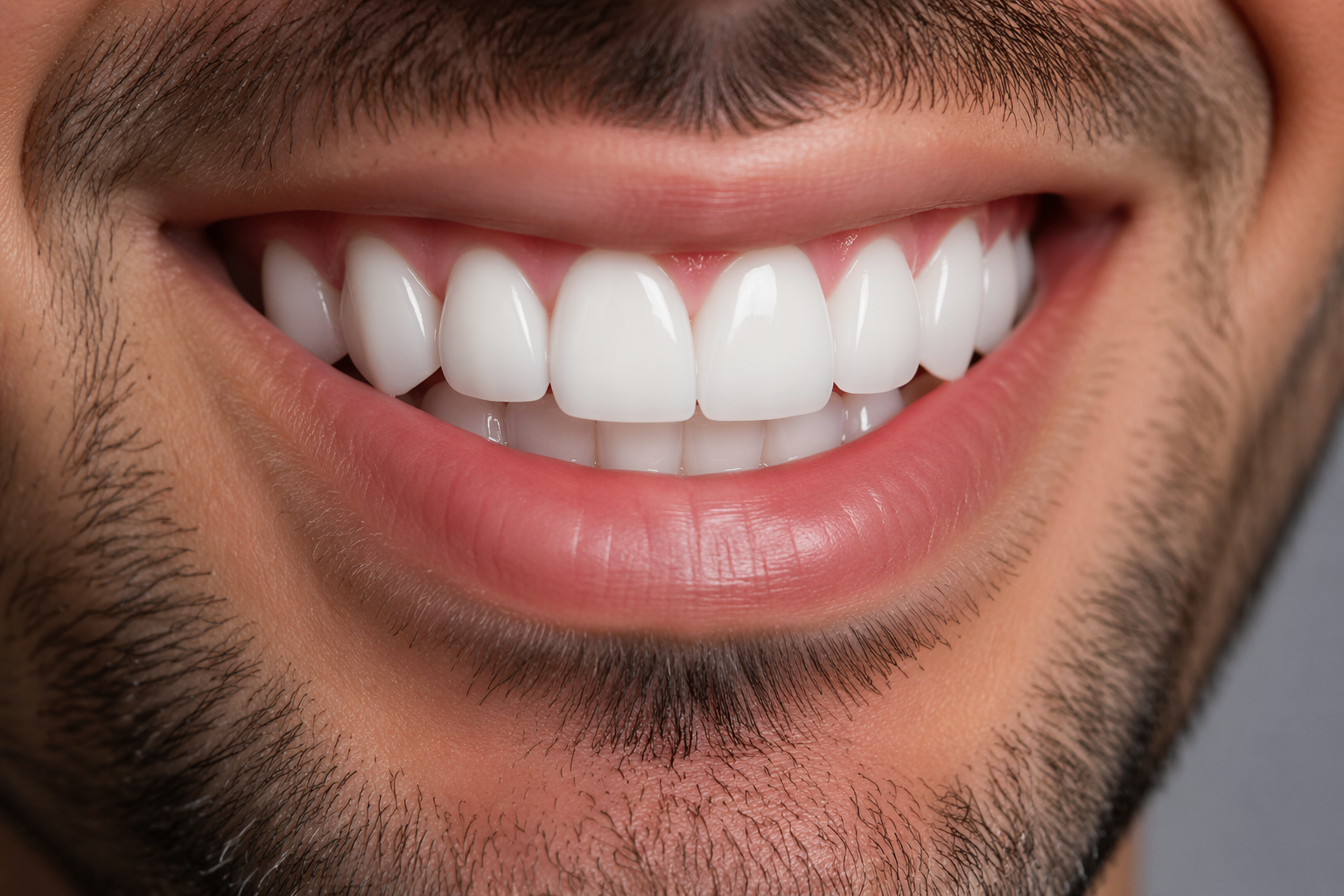
Your smile shapes first impressions, and dental veneers offer a fast way to improve it. From stains to small gaps, veneers provide visible results with minimal treatment time. Many people compare composite veneers, composite resin veneers, and porcelain veneers before choosing. Cost, durability, and appearance all play a role in the decision. This guide explains everything clearly so you can choose the best veneers option. Read on to learn.
What Are Dental Veneers
Dental veneers are thin coverings placed on the front surface of teeth to improve appearance. They are commonly used in cosmetic dentistry to fix stains, chips, and uneven shapes. Veneers act as a tooth covering that enhances smile appearance while protecting the enamel surface and supporting better oral health outcomes.
They work by bonding materials like composite resin or porcelain to the dental enamel. Dentists recommend veneers for smile makeover cases where whitening or minor alignment treatments are not enough. They provide quick visual improvement and are designed to match natural teeth in color, shape, and size.
Types of Veneers
Dental veneers come in different types based on material and treatment approach. Each option offers unique benefits in terms of cost, durability, and appearance, making it important to choose based on your needs.
Composite Veneers
Composite veneers are made using tooth colored resin applied directly to teeth in a single visit. They are affordable and suitable for minor corrections like chips and stains. These veneers usually last around four to six years with proper care and regular dental maintenance.
Composite Resin Veneers
Composite resin veneers use advanced layering techniques to create a more natural look compared to basic composite options. They offer better aesthetics and can be shaped precisely. These veneers are repairable if damaged, making them a flexible option for patients seeking balanced cost and appearance.
Porcelain Veneers
Porcelain veneers are lab made ceramic shells designed for long lasting results and natural appearance. They are highly durable and resist stains better than composite options. Although they require more preparation and cost more, they are preferred for full smile transformation and long term use.
Composite Veneers vs Porcelain Veneers
Feature | Composite Veneers | Porcelain Veneers |
Cost in UAE | AED 800 to 1,500 per tooth | AED 2,500 to 5,500 per tooth |
Durability | 4 to 6 years average | 10 to 15 years average |
Aesthetic Quality | Good, slightly less natural | Highly natural appearance |
Procedure Time | Single visit treatment | Multiple visits required |
Maintenance | May stain over time | Stain resistant and durable |
Veneers Benefits
- Instantly improves smile appearance with natural looking results
- Covers stains and discoloration not removed by whitening treatments
- Fixes minor alignment issues without needing orthodontic treatment
- Provides long lasting cosmetic solution with proper care and maintenance
- Strengthens slightly damaged teeth by adding protective surface layer
- Boosts confidence in social and professional interactions
- Offers quick smile makeover with minimal discomfort and downtime
Cost of Dental Veneers
The cost of dental veneers in UAE depends on the material used, number of teeth, and clinic expertise. Composite veneers are more affordable, while porcelain veneers offer long term value due to durability and aesthetics.
Composite veneers cost between AED 800 to AED 1,500 per tooth, while composite resin veneers range from AED 1,200 to AED 2,000. Porcelain veneers cost between AED 2,500 to AED 5,500 per tooth. Final dental veneers price in Dubai varies based on lab charges and treatment complexity.
Who Should Get Veneers
Dental veneers are suitable for people looking to improve their smile without complex procedures. They are ideal for cosmetic concerns that do not require major dental correction and can deliver quick visible results.
- Teeth with stains not responding to whitening
- Chipped or slightly damaged front teeth
- Small gaps between teeth needing closure
- Mild misalignment without need for braces
- Desire for long-lasting smile improvement
Veneers may not be suitable for patients with severe decay or gum disease. A dental consultation helps confirm if veneers are right for you.
Caping vs Veneer
Feature | Veneer | Dental Cap |
Coverage | Covers only front tooth surface | Covers entire tooth completely |
Purpose | Cosmetic improvement | Structural restoration and protection |
Tooth Preparation | Minimal enamel removal required | Significant reshaping of tooth needed |
Use Case | Smile enhancement and minor fixes | Severely damaged or weak teeth |
Appearance | Natural and thin design | Thicker structure compared to veneers |
Before and After Results
Before getting dental veneers, teeth may appear stained, uneven, or slightly misaligned. After treatment, the smile looks brighter, more uniform, and well balanced. Veneers before and after results often show a clear improvement in color, shape, and alignment within a short time.
The transformation timeline depends on the type of veneers chosen. Composite veneers provide immediate results, while porcelain veneers take longer due to lab work. Maintaining oral hygiene and avoiding staining habits helps preserve long-lasting smile transformation results.
Risks and Limitations of Veneers
Dental veneers improve smile appearance, but they come with certain limitations. They may not suit everyone, especially if underlying dental issues exist. Knowing these risks helps set realistic expectations and ensures better long term results after treatment.
- Veneers can chip or crack under strong biting pressure
- Composite veneers may stain over time with certain foods
- Porcelain veneers cannot be repaired easily if damaged
- Teeth grinding can reduce lifespan without protection
- Mild sensitivity may occur after enamel surface preparation
Why Dental Veneers Are Worth It for Your Smile
Dental veneers provide a reliable way to improve smile appearance with quick and noticeable results. Whether you choose composite veneers or porcelain veneers, both options help enhance confidence and overall look.If you want a better smile with minimal treatment time, veneers treatment can be a suitable option. Consulting a dental expert helps you choose the best veneers based on your needs and budget.
Reliable Cosmetic Dentistry Services in Dubai
If you are looking for reliable cosmetic dentistry services in Dubai, Health24/7 connects you with trusted clinics and experienced dental specialists for safe and high quality treatments. From dental veneers and smile makeovers to advanced aesthetic procedures, you get access to expert care, transparent pricing, and convenient booking, all designed to help you achieve a confident and natural looking smile.
Frequently Asked Questions
Are dental veneers permanent?
Dental veneers are not fully permanent, but they are long lasting. Porcelain veneers can last over ten years, while composite veneers may need replacement after a few years.
How much do veneers cost in UAE?
Veneers in the UAE cost between AED 800 and AED 5,500 per tooth depending on material, clinic expertise, and treatment complexity. Composite options are more affordable than porcelain.
Do veneers look natural?
Yes, veneers are designed to match natural teeth color and shape. Porcelain veneers especially provide a very natural appearance due to their light reflecting properties.
Are composite veneers good enough?
Composite veneers are a good option for quick and affordable smile improvement. They work well for minor corrections but are less durable compared to porcelain veneers.
Is getting veneers painful?
The veneer procedure is usually not painful. Minimal preparation is required, and local anesthesia may be used if needed, making the process comfortable for most patients.
Can veneers fix gaps and crooked teeth?
Veneers can fix small gaps and mild alignment issues. They are not suitable for severe orthodontic problems, which may require braces or aligners instead.